
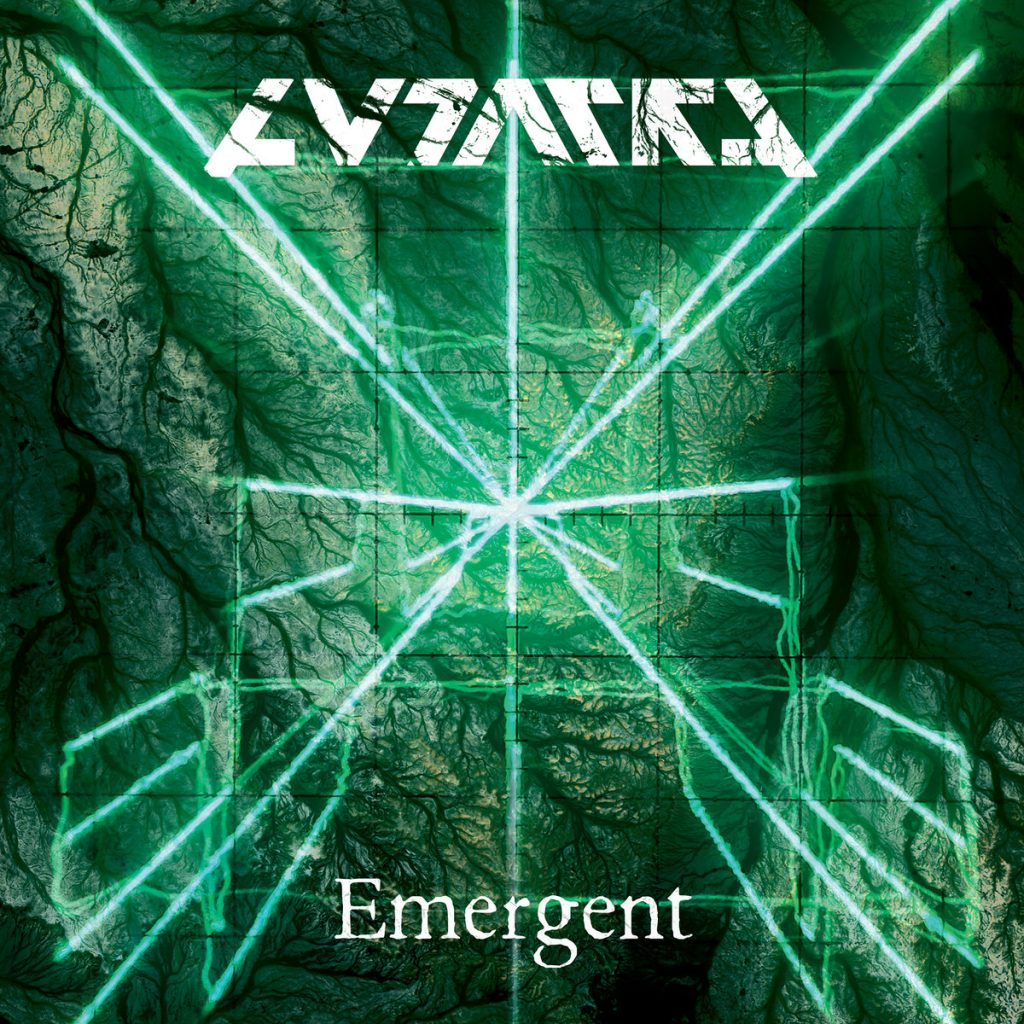
Dutch metal extremists, Autarkh, were one of the great success stories of 2021. Born out of the ashes of avant-garde black metal legends, Dodecahedron, their Form in Motion debut synthesised a sound somewhere between Meshuggah and Killing Joke to produce one of the most original metal records of the new decade. Indeed, Scream Blast Repeat, speculated that ‘The biggest danger to Autarkh is hype and the determination in the metal press to identify an artist ahead of their time.’ We did not hold back in our wild excitement: ‘Our money is on these Dutchmen as the next cult favourite and potential influencer of a new wave of extreme metal bands.’ This has not happened, and you don’t see kids wearing their merchandise, but that’s because innovative music can take years to be realised by other artists. So, how should we judge their follow up to a cult classic?
Fans of Form in Motion will be in for a pleasant surprise but might be a little trepid of what the quartet deliver on album number two. Out go the electronic blast beats and chaotic rhythms and in comes a new focus on songs with prominent vocal lines. No traces of the group’s black metal roots remain. Frontman, Michel Nienhuis, spends more time cultivating melodic vocals with his trademark aggression rather than bursting the blood vessels in his eyes with unhinged screams. It’s clear that Autarkh 2.0 is still a vicious beast, but it’s one that has learned to control its savage impulses.
Opener, ‘Open Focus’, starts like Gojira covering Soundgarden in the Superunknown era. Here, Michel’s higher vocal projections stretch his cords like a child tugging at stockings on a washing line. You want to raise your arms to the sky in a grateful unburdening of your soul as the two guitars fizz in the mix and reach for melodies the way you reach for a spoon that disappears into a bowl of boiling soup. The chords resonate underneath Michel’s voice like pocket torches dimmed by the light of an early morning spring. Perhaps the change in direction on the latest album by The Ocean is the nearest meaningful comparison. It’s a remarkable shift in sound, but liquid mercury flows through this song in a beautiful but deadly turquoise splendour.
You’ll soon absorb the new vocal style as if it existed from day one. The opening to ‘Strife’ is just as perplexing as the first track. Your mind will sing the words, “In your room where time stands still,” as if waiting for the Depeche Mode song to kick in, but Autarkh soon deconstruct the rhythm into a disjointed piece of digital post-metal. On repeat listens, it feels like a Trent Reznor remix of Code Orange. Staccato guitars threaten to reshape the song, but the vocals dictate the direction and steer it away from the hurricane of violence that characterised the band’s first LP. ‘Duhkha’ is more like the Autarkh of 2021. The hysterical screaming-into-a-barrel approach of the intro will seize control of your neck muscles. You think a crushing riff will join the regular drumbeat, but Michel uses this as an opportunity to lift his voice into a higher octave. The guitars are more like Tesseract – you feel like you’re floating rather than listening to slow ringing doom chords. But don’t get too close to the light – it might blind you.
Throughout it all, you wonder if Autarkh have realised the sound that Gojira threatened – but failed – to unleash on their last two records. Aggression and melody co-exist with drop-tuned guitars and mutate into slabs of noise that thrive on sharp edges and progressive layering. ‘Trek’ is the heaviest piece on the album, like Voivod injected with the muscle of Meshuggah. A detuned carousel ditty appears to play in the background. The ambitious melodic sway towards brighter meadows in the chorus does not last. Instead, the space shuttle careening back to earth interrupts this bliss before the band let you experience the full astral magnificence of landing in a textbook manoeuvre. Who’d have thought that Autarkh could explore melodies in major keys?
You might wonder if another Dutch group laid down these foundations before Autarkh. Did Michel visit the swansong album of Textures for inspiration, perhaps? ‘Refocus’ is a turbulent metal menace with a loud buzz of guitars and a demonic voice. It’s a danger you can prepare for in advance even if you know little about its capabilities. By contrast, ‘Eye of Horus’, is a bizarre foray into the quirky avant-garde rock of Frank Zappa, based on vocal lines and guitar phrasings that chase the same symmetry. Aum chants add sparkles to the jagged guitars. Don’t underestimate the importance of Tijnn Verbruggen in this group as the chief synth guru and programmer of beats. The layers of atmospheric vertigo come from his hands.
Autarkh retain their ability to make you feel dizzy and overwhelmed, but they do it with more subtlety on Emergent. ‘Countless Kaleidoscopes’ is what you might feel like if overpowered by a group of people trying to bury you alive. Respite comes in the calm of the first verse, but Michel’s voice growls in a spoken-word vitriol. High-register guitar patterns weave their way through the fretboard like spiders building their webs in the footprints of migrating insects. It leaves you feeling woozy but high.
They now refer to themselves as “contemporary metal adventurers”, but Autarkh are in clear prog metal territory here. Their sophomore effort is an ambitious opus of forty-five minutes that leaves you wondering how they effected this transition with such ease.
JVB
Verdict

Release Date: 10/11/2023
Record Label: Season of Mist
Standout tracks: Open Focus, Trek, Refocus
Suggested Further Listening: Gojira – Fortitude (2021), Tesseract – War of Being (2023), The Ocean – Holocene (2023)