
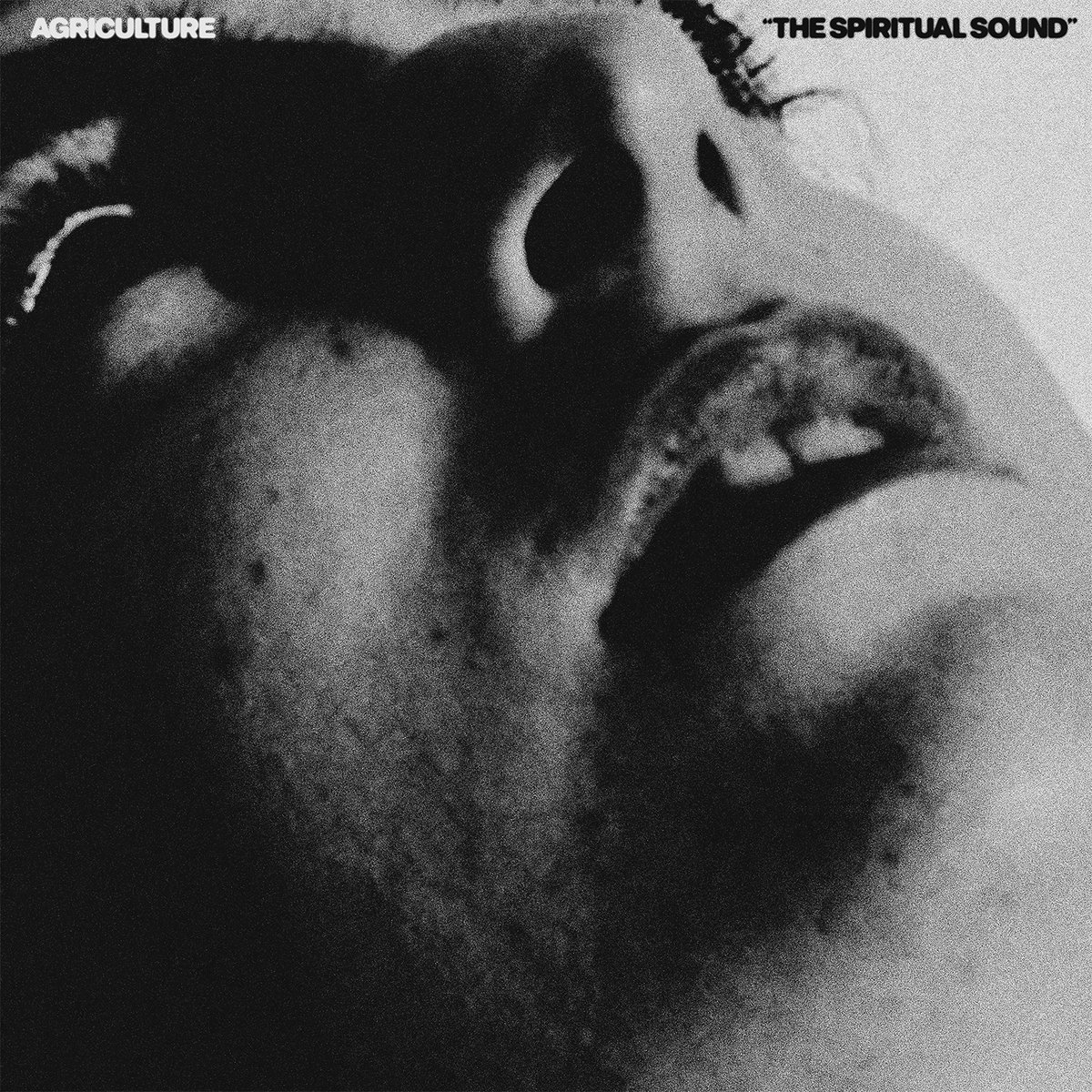
Californian noise crew, Agriculture, stormed onto the scene in 2023 with their self-titled debut album of “ecstatic black metal.” It earned them praise in Brooklyn Vegan and landed them a spot at the Roadburn Festival (where they will return in 2026). “This is not a playlist. This is not a vibe. It is a demand,” is the message on their Bandcamp page for album number two. The Spiritual Sound is a personal expedition that draws from queer literature and Zen Buddhism and avoids the pitfalls of “blackgaze” that their contemporaries have navigated with little success.
If you thought this would be an ethereal journey through shoegaze and atmospheric black metal, think again. The opening forty seconds of ‘My Garden’ are a whirlwind of mayhem, like Naked City with chunky guitars and rotating death metal rhythms. Blast beats and whammy bars compete for supremacy until the bass-heavy syncopation kicks in for the first verse of shrieking vocal projections. It’s more in tune with Strapping Young Lad than Deaf Heaven, yet a voice as agonising as this will take some time for the listener to absorb. The switch from extreme metal to the soothing alt-rock of Pavement is even more confusing (and thrilling). One imagines this’ll produce a few scowls when they perform it on the indie rock circuit at Coachella. The ending is severe enough to bore into your skull and leave you in a dizzying state.
By contrast, ‘Flea’ is what Sonic Youth would become if you asked them to play black metal. Listen to the melodies buried under the layers of noise and watch how they emerge in the next passage of sentimental daydreaming. Unlike the blackgaze bands, Agriculture remember to build their foundations from flamboyant guitars and hard punching rhythms. The only thing that feels out of place is the whelp of screaming when they embrace the mellower side of their music. They amplify this approach further in ‘Micah’ (5:15am)’, which subsists on a diet of Hüsker Dü and Burzum. Words soar and sizzle as a distorted bass cuts its path through the high-register tremolo patterns. It’s true that the listener can find ecstasy if they surrender their ego and embrace the chaos without fear.
Calling this music post-metal is too derivative. Instead, we should ask how they produce this form of euphoric rage without putting the body through intense pain. You wonder if the luscious chord shapes of ‘The Weight’ will create something blissful, but Agriculture use it as a launchpad to burst their eye vessels. Now you can admire the disembowelled words when they bring the dynamics down to a near standstill. Likewise, ‘Bodhidharma’ is a muscular workout from the drum stool with imperious guitars to match until all instruments drop out for the tormented lullaby voice to find its way through the pain. You can feel the warm breath of Leah Levinson’s words on your cheek as your body cringes at the violation of your personal boundaries. That’s the point: this music asks questions but does not see the need to impose a dogmatic message on the listener that you must either accept or refuse.
Finding weaknesses on an album is no fun when they’re scarce. Why not celebrate the positives? On second listen, it’s clear that this cerebral band have a comfort zone. ‘Serenity’ is an unimaginative gallop of pleasant tremolo sequences enveloped in the terror of an earthquake. And the obligatory love letter to My Bloody Valentine’s solipsistic noise therapy in ‘Dan’s Love Song’ will produce a few glances at your wristwatch for its four minutes and fifty-one seconds of existence. But there’s little to dislike here.
One question remains at the end: how can something so tumultuous sparkle with a nostalgic sadness? The pseudo-falsetto uplift is easy to follow in the verse parts of closing track, ‘The Reply’, but it lacks the melody to complement the integrity. It conjures images of those useless indie rock bands beloved of NME and the college rock radio stations of America when you want something transcendent. The realisation hits you: The Spiritual Sound needs at least two more songs as riotous and as unpredictable as the opening track to become a modern classic. Nonetheless, there’s a lot to dissect here, and the prospect of deepening the analysis on repeat listens is exciting.
JVB
Verdict

Release Date: 03/10/2025
Record Label: The Flenser
Standout tracks: My Garden; The Weight; Bodhidharma
Suggested Further Listening: Liturgy – 93696 (2023), Dawn of Ouroboros – Bioluminescence (2025), For Your Health – This Bitter Garden (2025)