
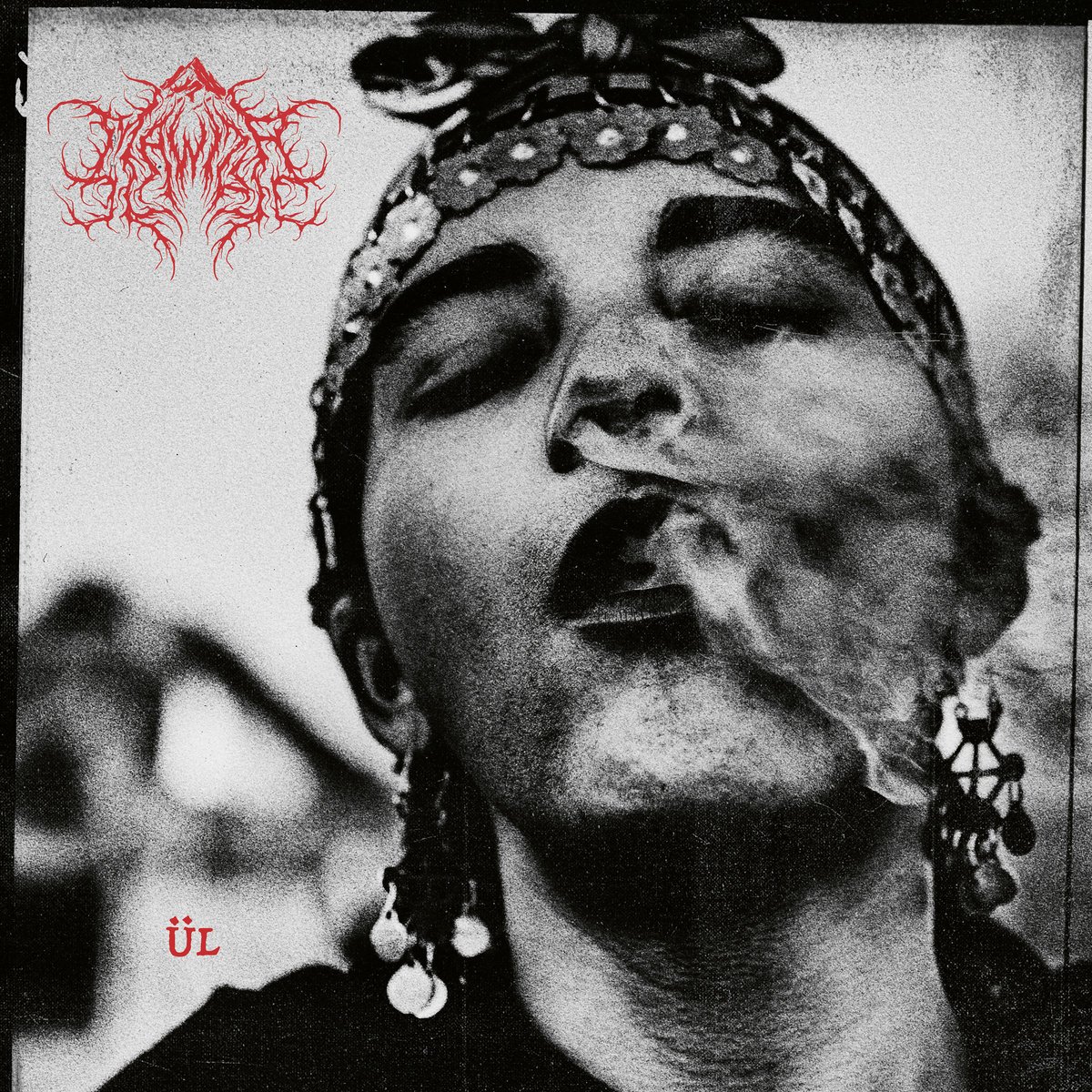
Mapuche metal warriors, Mawiza, carry their heritage on their shoulders. As citizens of Chile, they have their culture and traditions to protect from the forces of an expanding state and a modern market economy that’s hungry for workers. Now on their sophomore album after striking a deal with Season of Mist last year, ÜL is a Mapuzungun-language record that takes the post-thrash metal of the 1990s (now referred to as groove metal) as its medium of expression. The musicianship and production are first class.
You only need forty seconds to nod your head to the Mapuzungun chanting as your shoulders bop to the Rammstein bounce of opener, ‘Wingkawnoam’. The amp tone is thick and crunchy like the giants of the mid-1990s. Yet its successor, ‘Pinhza Ñi Pewma’, demonstrates a more flamboyant side with cascading melodic formations and rapid string-shredding in between the riffing. This is the point where we should also address the inevitable Sepultura comparisons. If anything, modern Soulfly makes more sense as a reference point.
But Mawiza are no Sepultura clones. Their industrialised metal rhythms are closer to Prong, and the indigenous scales and ritualised chanting give them a distinctive flavour. Drummer, Txalkan, is a beast, often shifting between skank beats and monstrous grooves. Likewise, the two axemen enjoy harmonising beyond the twelfth fret when things become too repetitious. And despite the emphasis on a Mapuche identity, you’ll still find a love of traditional heavy metal in the martial gallop of this music. Add English lyrics and dress it up in a European war concept from the last three hundred years and you’d have Sabaton with Gojira’s groove and menace.
This band have an abundance of mean riffs without squandering their scarcity value through endless modulations. Listen to the bass strings grind underneath the onomatopoeia of voice and snares as the guitars pull the thick riffs from the neck like plucking oranges from a tree. A western chorus forms the centre of ‘Nawelkünuwnge’ with lead vocalist, Awka, settling into an animated Ronnie James Dio voice for the heroics. Machine Head serve as the main inspiration for the weight and might of the guitars, but they’re not afraid to plunder blast beats, either. Any one of the songs on this LP could provide the theme tune if MTV Headbanger’s Ball made a second comeback following its brief resurgence in the early 2000s
Like all good groove metal bands, Mawiza allow the bass a prominent place in the mix. Awka and crew create a more mournful mood in ‘Mamüll Reke’, with the former leading in a confident roar and the latter backing him up in remembrance of glorious days past as flute sounds give form to the melancholia. This could make the cut for the new Alien Weaponry album. Musically, ‘Wenu Weychan’ would not be out of place on Periphery’s Juggernaut album, where Awka shows here that he has the husky rock voice to match the riffs.
The only criticism of this record is the lack of variation in the songs. You’ll struggle to tell them apart if you play it through your headphones while concentrating on other things for the next forty minutes. ÜL relies too much on the 1990s rather than the tools and ideas of today, whereas their contemporaries in Alien Weaponry are more thoughtful in their approach to modern thrash metal. The band hope to produce nine raging beasts, and at least seven of them connect on first and second listen.
With Gojira’s Joe Duplantier joining them for closing track, ‘Ti Inan Paw-Pawkan’, you can guarantee that their profile will grow from here. The press release tells us that Mercyful Fate, Mastodon and Slipknot have all praised their music, and you can expect that list to grow after this record. We might be some way from accepting a sub-genre called indigenous metal, but we must be getting closer.
JVB
Verdict

Release Date: 18/07/2025
Record Label: Season of Mist
Standout tracks: Pinhza Ñi Pewma; Nawelkünuwnge; Wenu Weychan
Suggested Further Listening: Tzompantli – Beating the Drums of Ancestral Force (2024), Gojira – Fortitude (2021), Alien Weaponry – Te Rā (2024)