
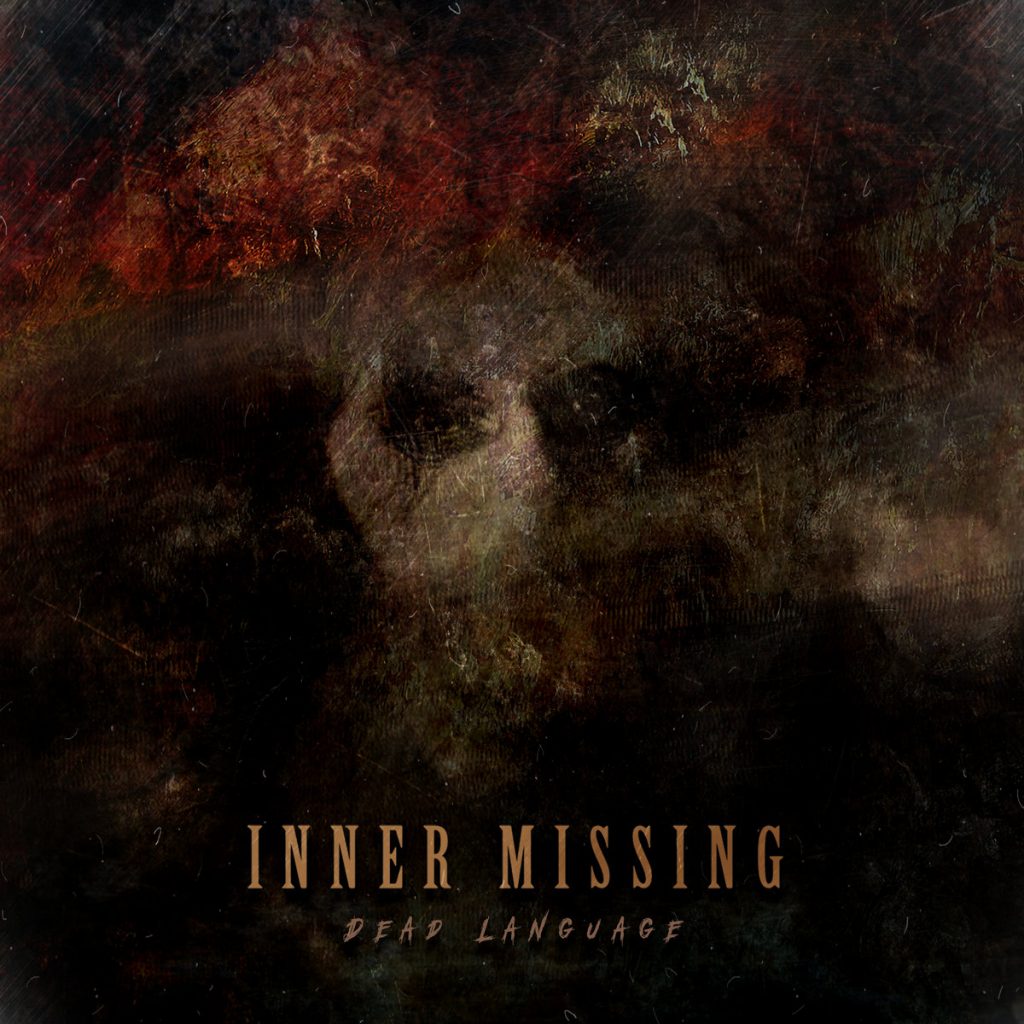
Russian duo, Inner Missing, are masters of the enchanting gothic metal synonymous with Britain and Europe in the 1990s, yet none of their predecessors dared to be as mournful as this. “No one would argue that poetry is a dead language today, and music is going to share its fate sooner or later,” says vocalist and guitarist, Sigmund. Now on their ninth album, the St Peterburg duo enlisted the services of Ukrainian producer, Max Morton, and ex-Jinjer drummer, Dmitry Kim, before the leader of their country plunged Russia into an insane war with their neighbours. It already feels like a lost world with a new status quo that will condemn us all to the threat of superpower conflicts until Putin’s regime falls. Dead Language is a fitting epitaph for our insecure age and an enchanting musical experience.
The title track that opens this record searches for a tragic mood among unsettling keyboard drones and celestial bell samples and piles on the post-punk guitar arpeggios for good measure. You’re in no doubt of the bleeding-heart sorrows emanating from this song when you hear the Andrew Eldritch vocals and haunting female soprano melodies converge like fog and mist. It’s slow and solemn and as poignant as a headwound bleeding out of a lifeless body onto virgin snow. “Sew your eyes and keep them shut/ This world is beyond saving now/ Stand your ground/ And keep the flame/ Don’t let them pull you under,” is the sombre lyrical message here.
Type O Negative fans will enjoy ‘The Quest’ as a follow up track, with its delay-heavy guitar passages and My Dying Bride mood once the distorted guitars work their way into the mix. Sigmund’s voice will remind you of Aaron Stainthorpe, yet he plunges deep into the melancholy recesses of The Mission and Sisters of Mercy to keep it away from the clutches of death-doom metal. The romantic poetry of Aleister Crowley serves as the platform for the Russian duo to express their longing for a lost age. You cannot deny how prescient this is in the current circumstances. ‘Empty Rooms’ leaves you with the same observation, although they use Moonspell and Tiamat as their inspiration and utilise aggressive guitar techniques without changing the tempo of the drums. Here, they deliver a chorus with great dignity rather than the melodrama that often accompanies a climax in this type of music. You’re not prepared for the sudden eruption of death metal tremolo riffing that brings it to a close.
Like many good albums, Dead Language finds strength in subtlety. ‘Long Odds’ uses a post-metal soundscape to unleash its emotions but subsists on a latent groove riff. It conjures images of water seeping under the cabin doors of a sinking ship. And where did the classy guitar arpeggio and extravagant snare work come from at 03:16 seconds? The dark serenading chords and keyboard atmospherics of ‘Mute’ gleam with sophistication and intellectual resignation. We know the future condemns us, and this song conveys the reality we want to ignore.
Though you’ll find much more than black and grey here, the Russians leave you with a canvass that remains unfinished. This is the only problem with Dead Language as a listening experience. They give you six songs over thirty-one minutes, but you need another two tracks to justify your time and effort. ‘At Sea’ explores intricate bass patterns and esoteric guitar chords, but it’s icy cold in its emotional sweep and morbid in its introverted mood. It remains aloof and distant when it should be easier to engage with after numerous listens.
Gothic metal survives like its industrial counterpart of the 1990s because it never blossomed into the mainstream. There’s always a feeling of unfulfilled potential, and Inner Missing have the tools and the knowledge to keep it alive. You’ll find much to entice you even if there’s something missing at the end.
JVB
Verdict

Release Date: 25/02/2022
Record Label: Inverse Records
Standout tracks: The Quest, Empty Rooms, Mute
Suggested Further Listening: Type O Negative – Bloody Kisses (1993), My Dying Bride – For Lies I Sire (2009), The Mission – Carved in Sand (1990)