
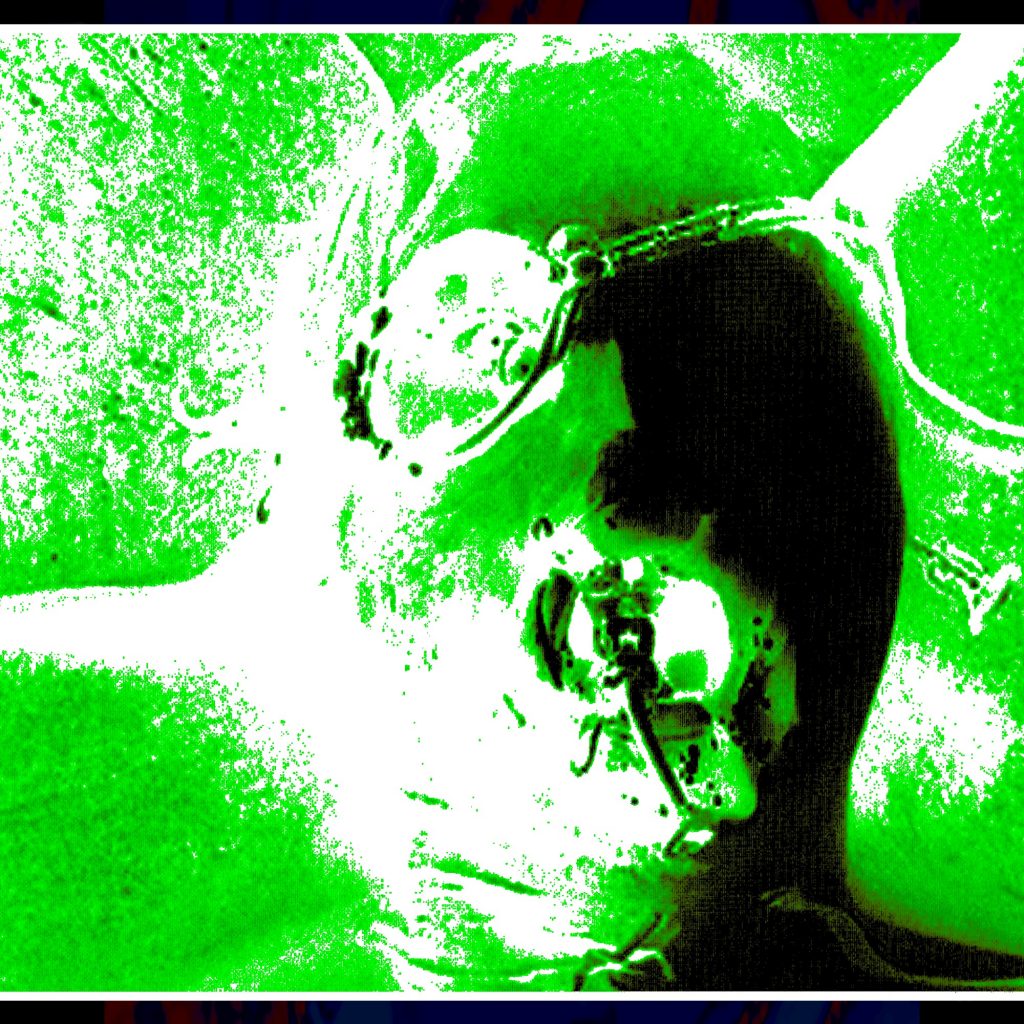
Nebraska artist, Isabella Chains, produced one of the best industrial albums of 2020, although it escaped most people’s end-of-year lists due to its December release date. If you haven’t delved into your Skinny Puppy and Nitzer Ebb records for a few years, here is the artist that will take you back to that era of aggressive dance beats and rough edge eroticism.
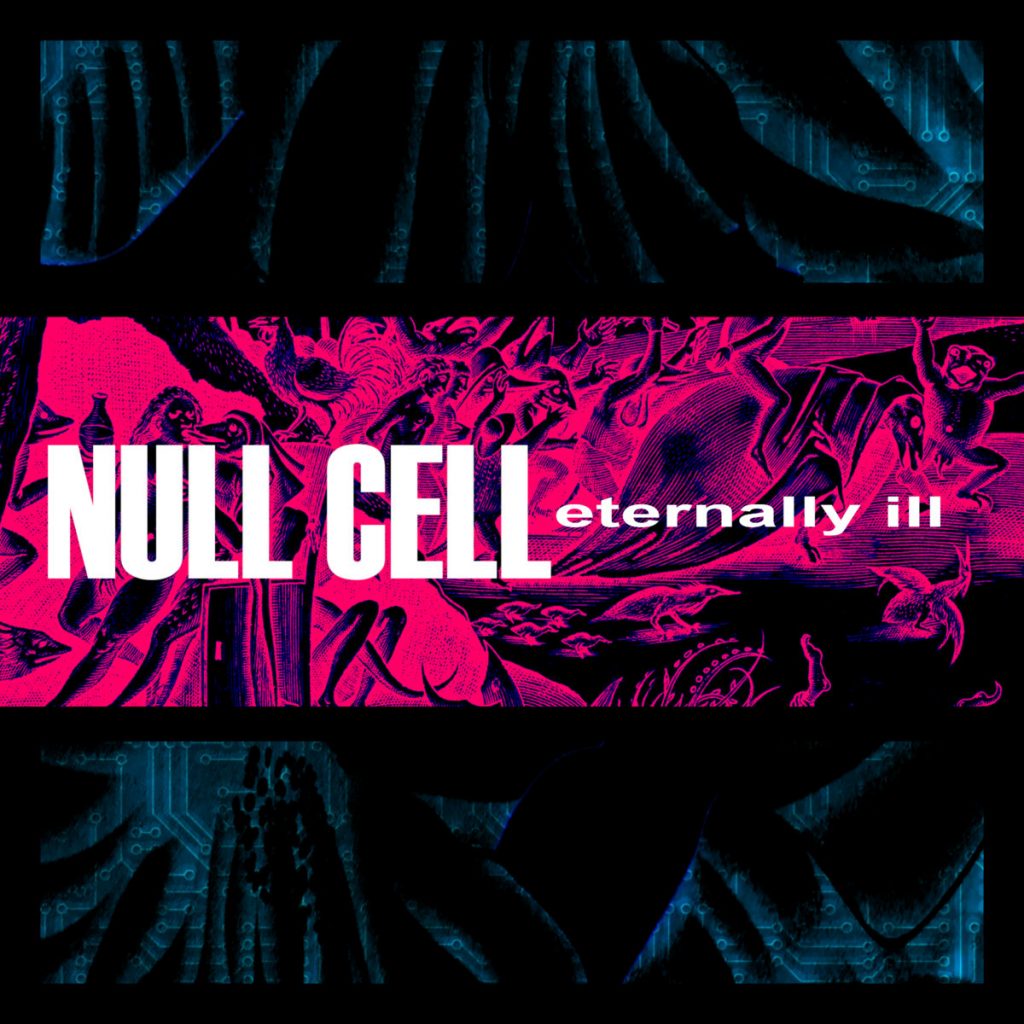
Like the best goth music, Null Cell’s industrial art marries the two recurring themes of sex and death but adds a third consideration of domination – whether in the bedroom, the market, or the national legislature. Minor-key synth bass, hard snares and orchestral hits of the keyboards are the order of the day on Eternally Ill, but a metallic flavour underpins the sound and mood throughout. Fans of Ministry and The Young Gods are in for a treat.
Chains wrote most of her debut album as a solo project but enlisted the guest vocals of Michael Pinch of Seattle EBM outfit, Chrome Corpse, on the song, ‘Hardware’. Future collaborations with other artists continue to interest her as does the prospect of recruiting additional musicians. Null Cell has a rigid sound but not a rigid mentality.
It is clear Isabella Chains is already looking ahead to the next record, but we talked to her about her current LP and how she expects Null Cell to evolve in the future.

Machine Man Records describe Null Cell as an industrial project led by Isabella Chains. To what extent is it a solo project instead of a band?
The vast majority of the music and vocals are handled by me, but I do like to collaborate a lot with my fellow musicians. I’m really open to the idea of people joining the project at some point, either permanently or temporarily.
The album lists you as the songwriter, programmer, keyboardist, producer and vocalist. How did you make your voice sound like the unmistakable male snarl of Ogre from Skinny Puppy?
Well, they were definitely a big inspiration and influence early on, although I’m kind of trying to do my own thing more and more as I kind of get to know my own voice. I’m trans, and mostly pre-transition at this point, so that also adds to the more masculine tone.
Which artists were you listening to when composing Eternally Ill?
In terms of what more directly inspired it, a lot of Numb, Ministry, KMFDM, Nine Inch Nails, Skinny Puppy and Revolting Cocks. But a bunch of other stuff too like Metallica, Bananarama, Martika, Red Hot Chili Peppers, Faith No More, Madonna and Korn.
It’s noticeable how you avoided the temptation to use a more acid house or trance sound to your synthesisers and stuck with the classic orchestral hits of the keyboard from the late 80s, instead. What type of keyboards and synthesisers did you use on your latest record?
I mostly use whatever software synths come with FL Studio (specifically one called Sytrus, and one called Toxic Biohazard which is a freaking sick name), lots of samples too, and I play it with a small midi keyboard that I got when I was still in high school.
We picked up on a Nitzer Ebb vibe on the second half of your record. How familiar are you with their back catalogue?
I’ve listened to them some, and they definitely have influenced me to an extent, but I really don’t listen to them that much to be honest. Actually, the last time I listened to them was because someone said a song I did sounded kinda like them. Ha,ha.
What do you say to an observer who might dismiss your music as a throwback to the late 1980s’ industrial scene?
I’d say that if it’s not something they want to listen to, then that’s cool, I can’t make them. I’m still starting out relatively speaking, so there’s definitely room for me to grow and find things that are more specific to my own style.
What was the most difficult thing about recording your album in 2020?
This may be surprising, but not the virus. The thing that was really hard was that I kept changing my mind on how I wanted the album to sound, while also being fixated on the idea of a ‘cohesive album’. Combined, it made it a lot more difficult for me to just let the music happen, although I did enjoy making it and I’m pretty happy with what I ended up with.

How can we expect your sound to evolve on the next Null Cell record?
I’ve been working on new stuff pretty much since I released Eternally Ill, and I’ll say you can probably expect a sound that’s more freely open to different inspirations while still staying true to what makes Null Cell what it is.
Your music is layered with many subtle sounds and samples. How hard is it to sign off on the final version of a song when the temptation is there to keep adding to it?
Basically, I try not to work on something too long. I pretty much lay most of the elements of a song in a few hours, then spend the rest of the time ironing things out. I’ll add some things later on, but I try to not be too much of a perfectionist.
Which new instruments do you hope to include in the Null Cell mix in the future?
Definitely more guitar, and not necessarily even in the heavy metal sort of sense. I might also try and invest in hardware synths later on, mostly because they look like they’d be fun to mess around on.
Final question: What are the lyrical themes of Eternally Ill and how important are they to the overall presentation of your art?
I write about a lot of things, but I’d say generally it can be summed up with people who have bad intentions taking advantage of others, and the pain that it causes. I think a lot of people can relate to that, and kind of put their own interpretations to it even if I had a more specific meaning in mind. And if someone just wants to dance to it, then, I won’t take that away from them, but I think there’s something there for people who are looking for something more meaningful.
*** Null Cell released Eternally Ill via Machine Man Records on 8 December 2020. Read the original SBR review here.. ***