

The twenty-first century was kinder to My Dying Bride than most of their peers. Morbid Angel failed to achieve a consistent output, Paradise Lost started the era in decline, Cathedral split up in 2013, and Type O Negative called it a day after the tragic death of Pete Steele in 2010.
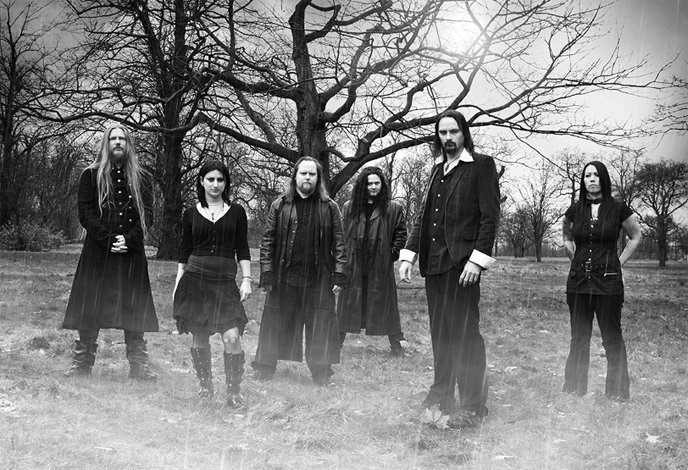
Aaron Stainthorpe and Andrew Craighan remained as the only original members, with the group undergoing numerous line-up changes. Bass stalwart, Adrian Jackson, left in 2007 and the stable rhythm section of Shaun Taylor-Steels (drums) and Hamish Glencross (guitars) reached its end in the last decade. Nevertheless, fans favourite, Lena Abé, joined the ranks on bass in 2007 and is still an integral part of the band.
The most noticeable evolution in the My Dying Bride sound during this era is the increasing focus on Stainthorpe’s lyrical narrative as the foundations for the song structures and an emphasis on the dual harmony guitar approach. They also veered towards the doom spectrum of extreme metal and slowed down the tempo a few notches on some of their releases, not always with the best results. It’s interesting that the band never attempted another 34.788%…Complete, even though their status and longevity might have allowed them one more opportunity to go in a left-field direction at no cost to their credibility or fanbase.
Through the twenty years of this century, My Dying Bride proved that they are the most consistent metal act of their generation and one that deserve a place in the pantheon of the greats.
Aaron Stainthorpe adds his thoughts to our verdict on every album and EP in this period of the band’s career. Unlike in the 1990s, a couple of records do not hold our attention or merit high praise. But does the charismatic frontman agree with our analysis?
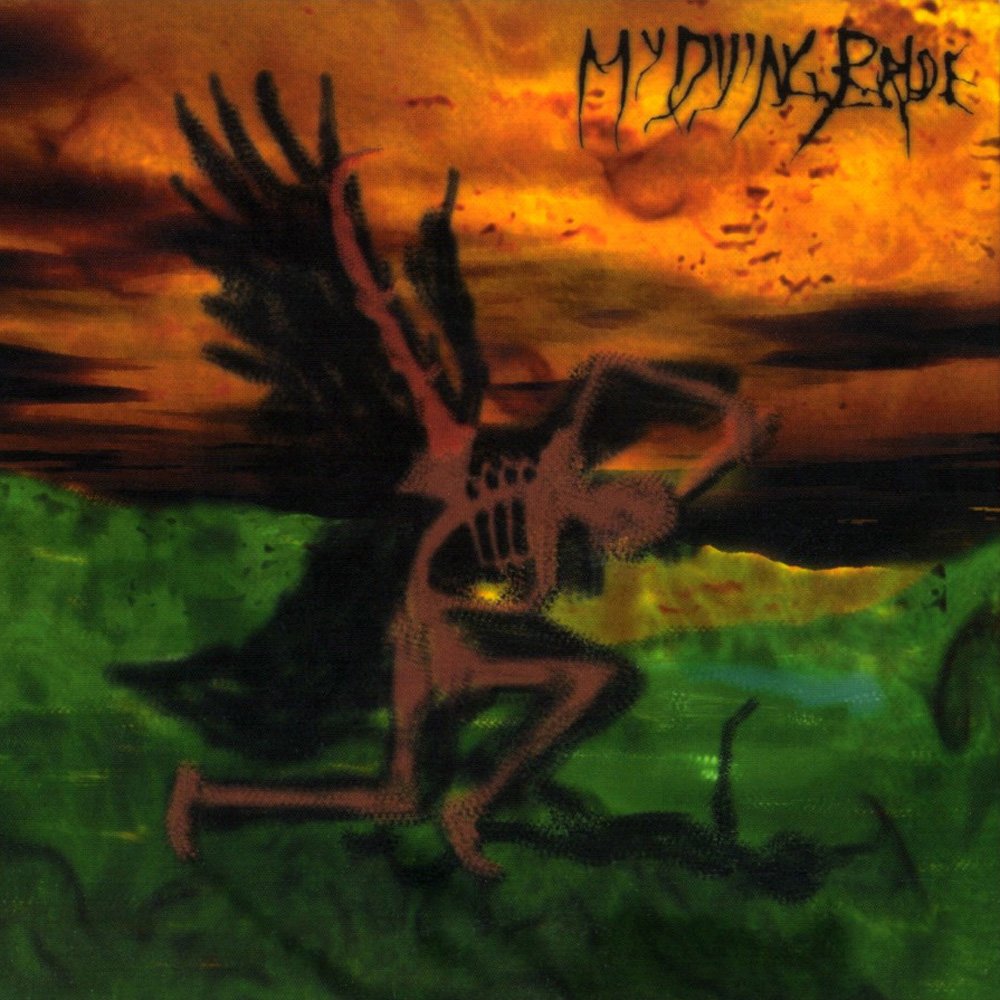
The Dreadful Hours (2001)
The addition of Shaun Taylor-Steels on drums and Hamish Glencross in place of Calvin Robertshaw as second guitarist on the The Light at the End of the World tour proved to be a decisive move for the band and provided a stable line up for the next few years. Nowhere is this more evident than on The Dreadful Hours, where My Dying Bride produced what could be, for some, the greatest album of their career. From the opening melancholy of the title track through to the death metal tempo changes throughout, this is the record where the Yorkshire sextet concocted their finest guitar melodies and expanded their craft to incorporate everything from Nick Cave to Carcass in a masterpiece of tumultuous emotions. ‘Black Heart Romance’ mixes Morbid Angel and English folk artist, Richard Thompson, while ‘A Cruel Taste of Winter’ is a fine piece of gothic metal with divine choir samples and epic guitar harmonies. Fans will marvel at the re-recording of ‘The Return of the Beautiful’ (renamed ‘The Return to the Beautiful’) from the debut album and punch the air in triumph to the swirling keyboard strings and rock riffs of ‘My Hope the Destroyer’. Everybody raved about Opeth’s Blackwater Park at the time of this release, but this record is just as good. Easily one of the best metal albums of the twenty-first century.
Aaron Stainthorpe: I rate this LP as one of my all-time favourites from our canon, and it’s easy to see why; it’s epic and momentous, startling and passionate, visceral and tender. All ingredients that exist in one space to fulfil the taste requirements of both band and fanbase. Another front cover from myself depicting darkness overwhelming light, where darkness came as hope, and – once trusted – turned and viscously attacked everything before it. The album went down well with fans and the touring was spectacular with amazing turnouts throughout the entire campaign.

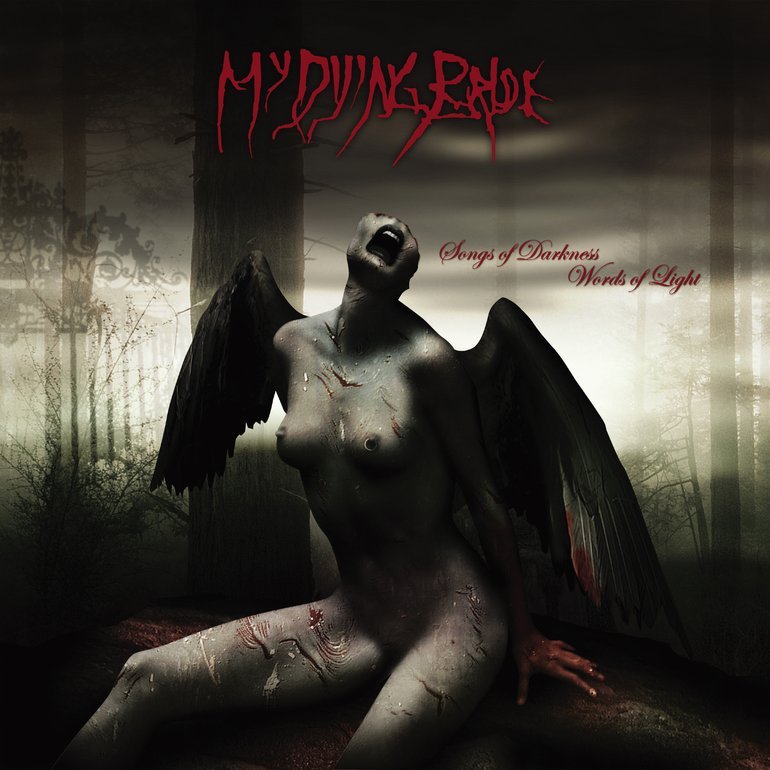
Songs of Darkness, Words of Light (2004)
One of two My Dying Bride albums that makes you roll your eyes and glance at your wristwatch. Ignoring trends in mainstream metal served the band well on their 2001 masterpiece, but they seemed to be a caricature of themselves for the first time in their career with Songs of Darkness, Words of Light. The tempo is slow and gloomy, like a prisoner on a never-ending death march with bayonets ready to toss him into the ditch at the first sign of fatigue. Yet despite this, some moments of unmatched brilliance rear their head throughout the record. ‘The Wreckage of My Flesh’ is like a doom metal interpretation of The Cure’s title track from their masterful Pornography album; the death metal explosion at the end of ‘Catherine Blake’ showcases the exquisite malevolence of Stainthorpe’s extreme vocals; and ‘The Blue Lotus’ is the best piece of dark metallic eroticism since 34.788%…Complete. But My Dying Bride are at their best when juxtaposing the doom with the frenzied sadism of their death metal roots, and the balance is too far slanted towards the former to make this a classic. The scarcity of violin and underusage of new keyboardist, Sarah Stanton, represents a missed opportunity to sketch out a wider canvass of emotions. Overall, the music is decent enough, but the album seems like a failed attempt at The Angel and the Dark River, Part Two.
Aaron Stainthorpe: I don’t appear to have much to say about this period to be quite honest as it was a bit ‘run of the mill’ – we did the same festivals, toured the same old places and recorded in the same studio with all the same people, and it was another day at the office. ‘The Blue Lotus’ is indeed a cracking song as is the epic ‘A Doomed Lover’, which we have yet to perform live. ‘Catherine Blake’ became a live standard and crowd favourite. ‘The Prize of Beauty’ was shot as a video and was one of my favourite songs for a very long time, so although this period seemed a bit ‘samey’ this album is bloody epic! Six out of ten? I disagree. And ‘My Wine in Silence’ is a fan fave to this day!

A Line of Deathless Kings (2006)
Drum powerhouse, Shaun Taylor-Steels, announced his departure before this album and fan favourite, Adrian Jackson, hung up his bass after the release of A Line of Deathless Kings for a new life in America. “Trouble ut’mill,” a Yorkshireman might say, but this is a strong album with many delights and little in the way of fillers. From the opening guitar crunch of ‘To Remain Tombless’ to the double-bass drum frenzy of the Slayer-esque ‘Deeper Down’, it’s clear the band wanted to ramp up the tempo and brutality of the guitar work once again on this release. Which is all the more surprising, considering this is an album built around the vocals and lyrics of Aaron Stainthorpe, both of which are the main focus of the song-writing. Fans will cherish the Gregorian chants and harmonised doom riffs of ‘L’Amour Detruit’. The metallic flourishes of ‘I Cannot Be Loved’ and the nod to Joy Division on ‘Thy Raven Wings’ are sensational. At times gothic metal, never short of doom, and always keen to escape the confines of one genre, A Line of Deathless Kings is a triumph of the band’s ability to incorporate a wide range of sounds into one coherent vision. No violins appear here but the demented death metal end to final track, ‘The Blood, The Wine, The Roses’, is most welcome.
Aaron Stainthorpe: I can’t remember who played the bass on this – possibly Andrew, as Ade had left which was a hurdle but one we sailed over in no time. Drums were by John Bennett who also came on tour with us and kept the travels amusing and light-hearted, such was his exhilarating outlook on life – something new to us old boys. We have never allowed the departure of a member to cripple us as we are much stronger than that. We may slow down a little as we look for a replacement, but we’re soon back up to full steam. ‘I Cannot Be Loved’ is a stand-out track for me as well as ‘The Blood, The Wine, The Roses’ with it’s unexpected brutal ending, which was supposed to carry on with the first track of the next LP. But that plan slowly faded away for whatever reason.


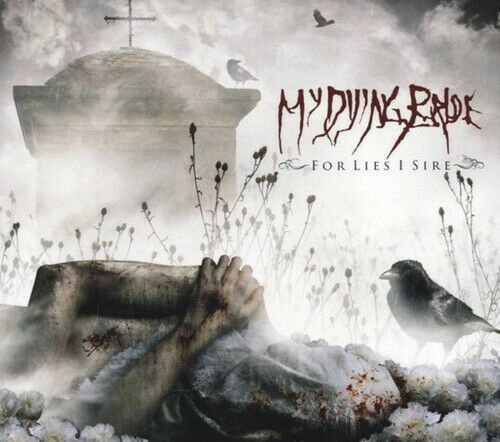
For Lies I Sire (2009)
Another big shake-up in the band with Katie Stone replacing Sarah Stanton on keyboards/ violin, Lena Abé making her recording debut on bass guitar, and Bal-Sagoth sticksman, Dan Mullins, taking the drum stool. This is the group’s closest thing to a master narrative with Stainthorpe’s crystal clear vocals at their most poetic on the likes of ‘The Lies I Sire’, ‘Shadow Haunt’ and ‘Santuario Di Sangue’. My Dying Bride’s best albums balance the doom elements with raucous gothic metal and the sinister edge of death metal – we get all three here. ‘Fall With Me’ captures the salacious mood of Like Gods of the Sun while ‘Bring Me Victory’ is a gothic version of Faith No More’s ‘Midlife Crisis’ with some excellent work on the tom drums to beef up the crunchy metal riffs. The listener will also raise an eyebrow at the Autopsy-inspired frenzy of ‘A Chapter in Loathing’, which includes lo-fi death metal riffs and a doom tempo change at the mid-section. This is a record with many subtle surprises and something for everyone. Fans and critics were happy to see the violin included once again as a core component of the band’s sound.
Aaron Stainthorpe: When Sarah left, we luckily found Katie for the role of keyboard player. As a huge bonus, she also plays the violin! In no way did that affect the way we composed the songs because it was business as usual for this album. But the violins were there to embellish the ‘metal’ as it were. Lena joined a little before this, but this was her debut LP and she was very professional with it. Having two women in the band and a female tour manager showed plenty of diversity at the time, which was very much needed in a male dominated scene. We hit the road again and of course the fans went apeshit when the violin was seen and heard again on stage, which was a tremendous boost for all of us. I also believe that having two women onstage bolstered the courage of other females to take up an instrument and make some noise.
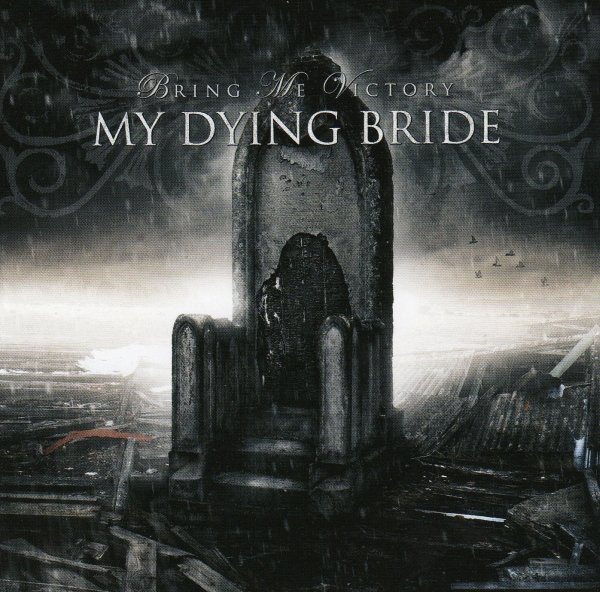
Bring Me Victory EP (2009)
As one of the stand-out tracks on For Lies I Sire, it made sense to release an EP to gather up some favourites from the cutting floor and present them to the band’s loyal fans. As already mentioned, ‘Bring Me Victory’ is My Dying Bride at their gothic best with searing guitars and a Sisters of Mercy meets Faith No More vibe. But the real gems here are the interpretation of the traditional ‘Scarborough Fair’ folk song and a rousing rendition of ‘Failure’ by Swans. In the hands of Stainthorpe, ‘Failure’ comes across like a Leonard Cohen interpretation of the New York no-wave giants and captivates throughout its anti-hero narrative. The inclusion of a live version of the death metal classic, ‘Vast Choirs’, is a reminder that the Yorkshiremen are proud of their roots and can mix it with the best of them.
Aaron Stainthorpe: It was a tough day at the office when I flew to Sweden to shoot the video for this song – I had to sit on a throne and be caressed by two Swedish models in lingerie. What a trial that was! The song did very well indeed in the Scandinavian charts too and the video was directed again by Charlie Granberg, cementing our loyalty to our Northern cousins. Scarborough Fair was great to do, but it needed a twist so I chose to sing a couple of the traditional verses, then the final verse (there are eleven original verses, most of which are missed off by everyone) and then wrote a completely new one containing elements of Yorkshire which would sit nicely within the tale. No-one noticed, ha, ha. So, testament that I did a good job! As a big Swans fan, a cover was always on the cards and so we chose ‘Failure’, which suited MDB just right. Apparently, Michael Gira has heard it and considered it to be okay, which is good enough for me.

Evinta (2011)
To celebrate their twenty-year anniversary, the band surprised their fans with a 2-CD neo-classical compilation of new songs and reworkings of classics. Instead of Andrew Craighan’s metal riffs we get ambient keyboards, sparse pianos, violin meanderings and creepy cellos. It’s a perfect platform for Aaron Stainthorpe’s spoken word poetry and will appeal to those who appreciate the avant-garde stylings of Triptykon and Elend. Diehards are the main beneficiaries of this unique and imaginative album with the privilege of identifying the famous songs in the new compositions on offer. ‘Of Lilies Bent with Tears’ is based on ‘Your River’ from Turn Loose the Swans; ‘In Your Dark Pavilion’ reworks ‘For My Fallen Angel’ (from Like Gods of the Sun) into its structure; and ‘That Dress and Summer Skin’ references lyrics from ‘My Wine in Silence’ from Songs of Darkness, Words of Light. At 1 hour and 27 minutes for the standard double compilation and over two hours for the special edition 3-CD version, Evinta is a monumental undertaking and a delight for the existing fanbase. Those new to the band will enjoy it once they explore the 90s golden period and the highlights of the twenty-first century offerings. The only criticism is the length of the record. This could have been much shorter and just as poignant.
Aaron Stainthorpe: The way we chose to compose these pieces was quite unique really. Instead of simply handing a bunch of classics to an orchestra and saying ‘can you please do cover versions of these’, we decided to go back through our history and pick out the very best moments, the choicest cuts and the most poignant segments and re-work them with classical musicians. So, for example, we might write down ‘at 02:07 in ‘The Snow in My Hand’ there is a fabulous moment of high quality, so let’s include that’, which might only last for a few seconds. Then we’d do the same with ALL of our songs until we had a huge list of the very greatest moments – none of which were full songs, just clips. We then got together with these musicians as well as main producer and contributor Jonny Maudling (Bal-Sagoth, Kull) and set about putting all the pieces together. And because we chose to do it almost randomly, you get a piece from Turn Loose the Swans followed by a small bit from ‘I Am the Bloody Earth’ and a segment from ‘The Cry of Mankind’, all together in one piece of music, performed on a variety of instruments. It was glorious to see it coming together. I wrote new lyrics too and we called on the help of French opera star, Lucille Roche, to add her voice. The results are truly stunning. I believe a re-issue with some new content is coming very soon from Peaceville.
The Barghest o’Whitby EP (2011)
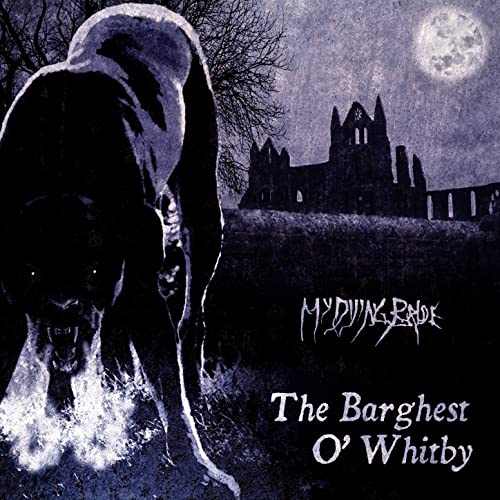
A 27-minute song has the potential to be a monumental triumph of creativity or an indulgent piece of over-extended nonsense. This 2011 EP fits into the former category and never fails to keep the listener on edge throughout the ups and downs of the narrative doom on offer. Aaron Stainthorpe uses the oral histories passed down through English folklore to create a story about a hound that stalks the Yorkshire moors. The music behind the narrative is a sludgy morass of doom metal and raw drums that sound like they received no polish in the studio. Fans of the trademark tempo changes synonymous with the band’s 90s golden period will be delighted with the transitions here. This is the heaviest, darkest, most sinister piece of metal since The Dreadful Hours and holds the attention of the listener like a public flogging on the birch. Check out the last five minutes of crunchy metal riffing and double-bass drums if you fancy a good head spin. It’s not for everyone, but it stays on the right side of interesting if you stick with it.
Aaron Stainthorpe: We simply don’t indulge in the lore of our historic land enough, so I really went to town with this one. It follows the tale of a huge hound which ‘haunts’ the moors of northern Yorkshire seemingly killing at random. But there is a tale to be had here. The large dog is witness to its master being brutally murdered by a gang of smugglers out by a small cottage on the moor. The dog finally breaks free from it’s binding and sniffs out the culprits, doing away with them one by one. It is very much a story of revenge where the evil killer is actually the one clearing the streets of the riffraff and doing humanity a favour. It certainly wasn’t planned to be as long as it turned out, but that’s just the way we composed it – went with the flow. We’ve not performed it live yet, and I’m not too sure we actually will as it will take up a significant chunk of our often limited set time. But we never say never. The cover was another one of mine and actually features Hamish’s pet dog, Hetfield, against the ruins of Whitby Abby.
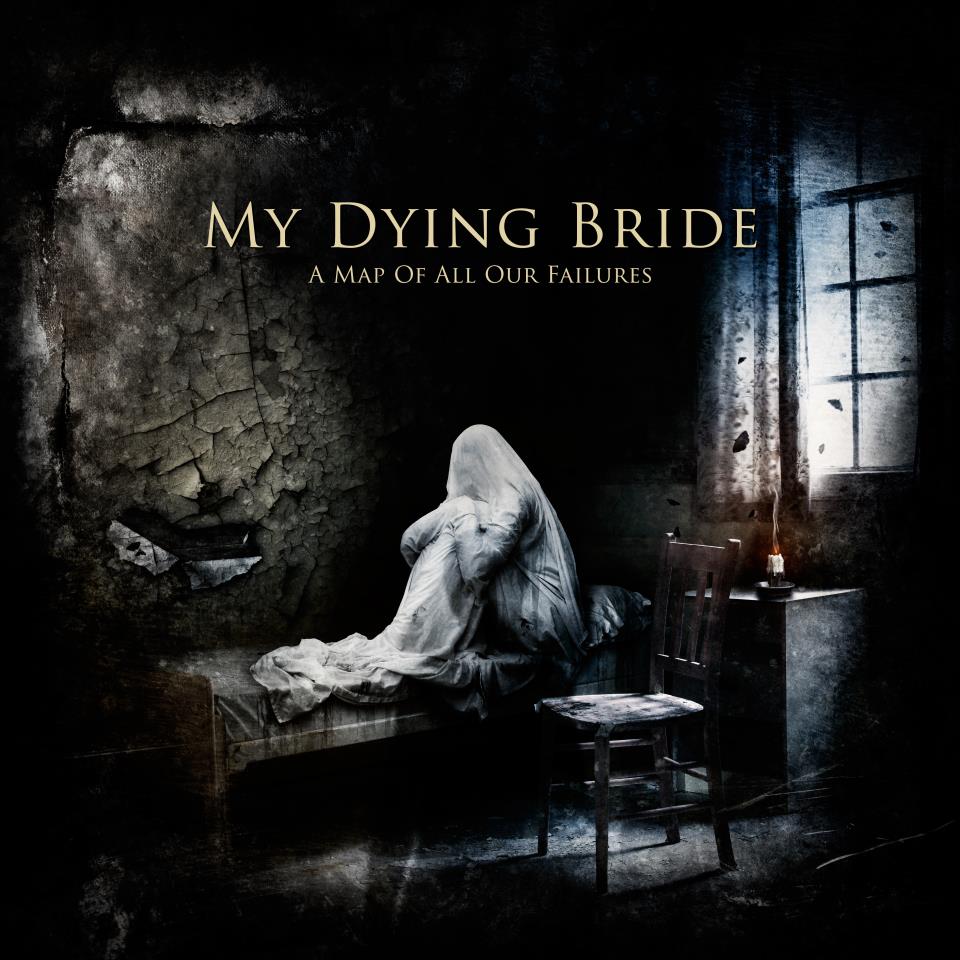
A Map of All Our Failures (2012)
The hardest MDB album to digest and the nearest thing they have to a mediocre offering. Like Songs of Darkness, Words of Light, this record plods along at a slow tempo and makes no attempt to emancipate beyond the hopeless sense of despair that stereotypes the band. ‘Like a Perpetual Funeral’ and ‘Within the Presence of Absence’ are utterly forgettable, lost in the inertia of lethargic doom metal with no variation or effort to transcend into something more than just maudlin misery. Flashes of genius emerge on opener, ‘Kneel Till Doomsday’, which mixes expressive guitar melodies with a berserk death metal flourish. ‘Hail Odysseus’ is another epic of ferocious metal with gang vocals and crunchy riffs, and ‘The Poorest Waltz’ contains some excellent vocal harmonies and gothic lead parts. But this is a difficult record to sit through and ends with two consecutive doom metal offerings that do nothing to pique the interest of the listener. Every year prospective SAS recruits undertake a gruelling death march to test their physical fitness and mental strength. One or two die in the intense heat. This is the sound of their last steps before they keel over and perish from exhaustion. Not a recipe for repeat listening.
Aaron Stainthorpe: Actually, ‘Like a Perpetual Funeral’ is a firm fan favourite live so eat your words! Also, ‘The Poorest Waltz’ is beautifully crafted with a fine video to support it. I think you are being harsh with this as it’s a very strong record in my opinion. ‘Within the Presence of Absence’ is majestic and haunting and sends a tingle down my spine when I listen to it. For me, this album features a rich variety of songs and something to suit everyone from creeping dark misery to full blown heavy metal – it’s got the lot. One of my favourite albums we have ever made.

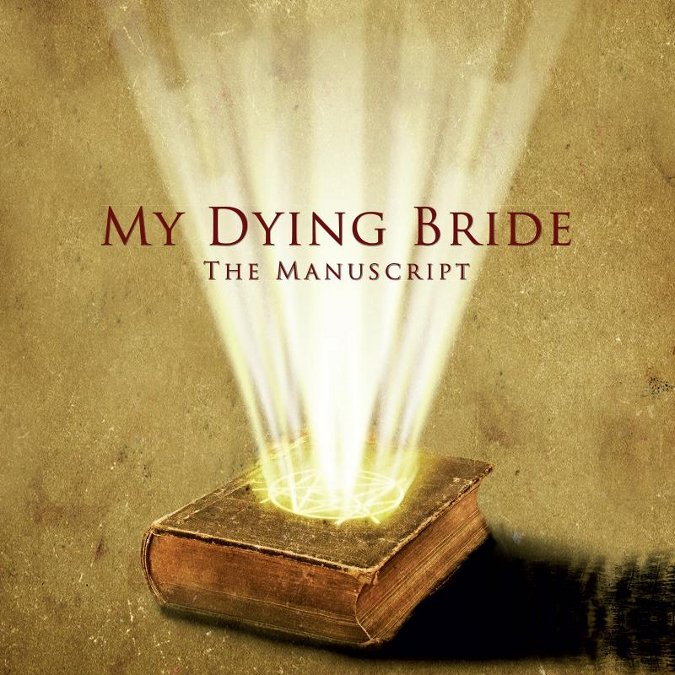
The Manuscript EP (2013)
Three of the four cuts on this EP are from the sessions for A Map of All Our Failures, yet they are some of the best songs from this period. Why they didn’t make the album is inexplicable. Unlike the one-dimensional plodding of the 2012 record, this EP showcases My Dying Bride at their eclectic best. ‘Only Tears to Replace Her With’ subsists on a diet of high-octave doom harmonies and violin serenades with a surprise David Bowie detour at the four-minute mark, while ‘Var Gud Over Er’ aims to sprinkle the doom riffs with as much fretboard action as possible. It’s crunchy, not confined to ringing power chords, and focused on expanding the vocal melodies beyond a two-note refrain. But the undoubted highlight is the death metal delight of ‘A Pale Shroud of Longing’, a song the lads recorded for the EP. Think of those long arm spikes and swords you see in the album artwork for black metal bands and imagine My Dying Bride writing their own take on the theatrical gallop of medieval savagery. The triumphant guitar harmonies and malevolent vocals achieve a heroic synergy before the song ends on a vintage Black Sabbath riff. This is the best EP in the band’s discography. Unfortunately, it would be the second time drum legend, Shaun Taylor-Steels, said his farewells.
Aaron Stainthorpe: I remember sending a text to Leif Edling of Candlemass asking him how to pronounce the title ‘Var Gud Over Er’ which is Swedish (even though I came up with the title). He, rather nicely, sent a recording back to me of him saying the words, which was great. Even though we have never played the song live, we might do one day and at least I’ll pronounce it correctly. We have dabbled in foreign text throughout our history as I believe it adds a certain air of mystery to the songs, which is always a good thing. Some say the manuscript we refer to is the Bible but I’m not saying. It can be any document that forces you to perform something against your natural will and often against the will of others, even those who love you. The power of the pen over the sword. Whereas ‘Var Gud Over Er’ is brutal in its clash and slash of visceral missionary contempt for pagan scum.
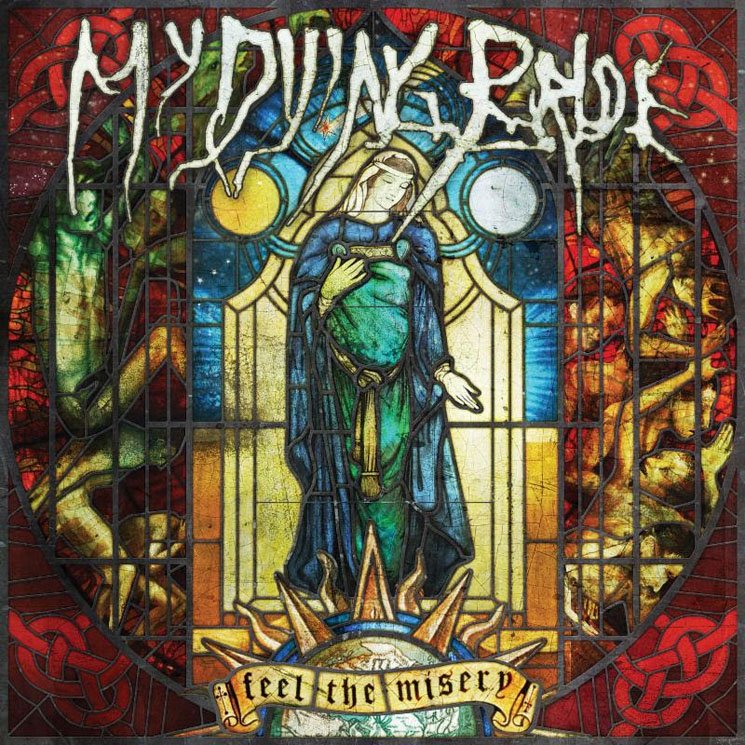
Feel the Misery (2015)
Original rhythm guitarist, Calvin Robertshaw, made a welcome return to the band in the hope this would rekindle the magic of the partnership with Andrew Craighan. It was an expert move. Feel The Misery is the best album since 2001 with a magnificent run of songs that get better with each listen. ‘And My Father Left Forever’ is an orgy of metal riffs and grinding basslines with violins adding to Stainthorpe’s greatest vocal performance of his career. They revel in epic guitar harmonies interspersed with piano splashes and fierce death growls on ‘To Shiver in Empty Halls’ and ‘A Cold New Curse’. At the half-way point you’ll speculate if this is their finest work with the stunning transcendence of ‘A Thorn of Wisdom’ dazzling in the dark caresses of piano notes and faint organs like a gothic masterpiece anchored to the heart beat of the tom drums. It would be as good as Turn Loose the Swans if they didn’t relax the tempo for the last three songs and relapse into a doom loop that drags the album away from its special potency. Closer, ‘Within a Sleeping Forest’, raises the dynamics near the end and is strong enough to save the brilliance of the first forty minutes, but this could have been their opus with better phasing. Most of this record is as life-affirming as anything in the My Dying Bride discography and warrants a pride of place on your shelf.
Aaron Stainthorpe: It was great to have Calvin back in the ranks, but it didn’t last long, and he’s away doing whatever he does with whomever he does it with again. But remember, he is not on the album all that much. Andrew wrote all the songs and Calvin adds a little magic on a couple of tracks. This album got the best reviews of our entire career, which was very uplifting for us and gave us the urge to carry on, not that we weren’t going to anyway. It also gave the world a look at just how good a song-writer Andrew Craighan is. I pushed the vocals into new areas, which was fun to do, and the whole thing came together beautifully. There are cracking songs here and it was a joy to perform many of them live with a variety of drummers, including Dan Mullins and Shaun Taylor-Steels because neither could commit to us and had other projects they were working on. Artwork was by Matt Vickerstaff and was wonderful with many a hidden symbol pertaining to Andrew and myself.
The Ghost of Orion (2020)
The band had to deny rumours they’d split up after the longest period of inactivity in their career. Originally determined to keep it a private matter, Stainthorpe confirmed the inertia was due to his infant daughter’s diagnosis of cancer (from which she has now recovered). In that time, Andrew Craighan continued to write, and Jeff Singer took over the vacant drum stool from Shaun Taylor-Steels (who had very briefly rejoined the band). Calvin Robertshaw also left for the second time in his career. Some might have accepted the end of My Dying Bride in these circumstances, but they re-emerged this year with their debut album for Nuclear Blast after a twenty-five-year association with Peaceville. We noted in our review earlier this year how ‘harmonised guitars duel underneath violin bows that complement Stainthorpe’s mix of solemn serenades and death growls’ and praised the avant-garde ambience of ‘The Solace’ and the magnificent title track. The Ghost of Orion is a triumphant return, although the extreme metal elements underpinning the band’s trademark sound are too scarce and the tempo is close to one-dimensional at times. Nonetheless, there is plenty to feast on and those new to the music can do no worse than start here and work their way backwards through the discography if they wish. It’s a fitting thirty-year anniversary record but surely not the last one in their repertoire.
Aaron Stainthorpe: Not the last one by far. Much more to come from the old Bride yet. This was the most difficult album to create as I was coming from such a dark place and found it very hard to re-connect with the band and the music. Andrew pretty much did everything (again), and, with the help of Lena and Shaun, they put the LP together as I was way out of the picture. I only came to the studio once the whole thing was recorded and battled with my inner demons to get the vocals down in a way that suited the music, which for the time was to double track and triple track the vox to give a choral feel. I may well change back into my older style on the next offering. Shaun Taylor-Steels left on the eve of recording, so Jeff was called upon to add his particular flair to the mix while Andrew covered ALL the guitar parts. We fought hard to make Orion, but it was worth it as it sounds immense and we are very proud of it.

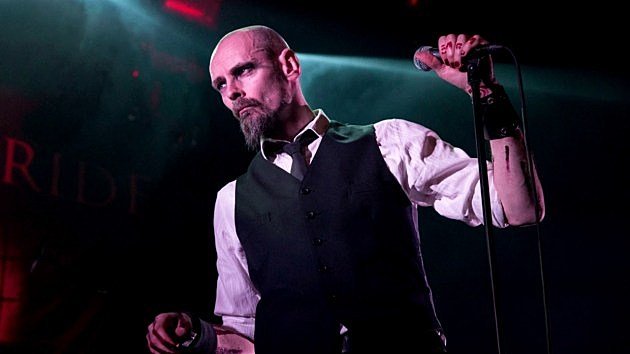
Fans and critics will be pleased to know that Orion is not the band’s swansong after thirty glorious years. ‘We will continue to write and record and hopefully play live,’ enthuses Stainthorpe. ‘Indeed, Andrew has already composed plenty of riffs to get the next LP off and running, which we may as well do because the live situation is looking grim.’
Real ale connoisseurs among the fanbase are in for another unexpected treat. ‘Old Earth – A My Dying Bride beer will be coming out very soon too,’ says Stainthorpe. And, of course, they also have a new recording to present us with. ‘The Macabre Cabaret EP is out on 20 November.’
It’s inevitable that three decades of exquisite musical output will bring many moments to cherish and many countries to visit. The influence of My Dying Bride on other artists is indisputable. But above all, Strainthorpe remembers the tours with their idols. ‘Playing on the Iron Maiden football team was a blast, especially as Rick and Andrew scored for the Irons on our first match! Steve Harris and the boys were great to us and we will always fondly remember that tour. Ronnie James Dio took us touring across the US, too, which was amazing. He was such a gentleman and is very much missed these days. He brought us beer and English tea for our rider, which was nice. We have had so many great occasions and met some truly lovely people over the last thirty years that I couldn’t possibly list them all here.’
The revolving cast of musicians who contributed to the first three decades of My Dying Bride have all played their part. But the core will always be the Craighan/ Stainthorpe partnership. ‘We’ve lost some old members but gained brilliant new ones, which gives us hope for a great future,’ explains Stainthorpe. ‘And we have an awesome label backing us now, so the good ship MDB is in very safe hands.’
My Dying Bride are the soundtrack to many lives. We all have an MDB story or an album that spoke to us. A promise of a glorious new decade ahead is enough to raise a glass of Old Earth in honour of the Yorkshire Metal Gods. Here’s to another decade.
*** My Dying Bride release the Macabre Cabaret EP through Nuclear Blast on 20 November 2020. ***
*** Read the original SBR review of The Ghost of Orion here. The album is available in all good music shops and on all major streaming platforms via Nuclear Blast records.