
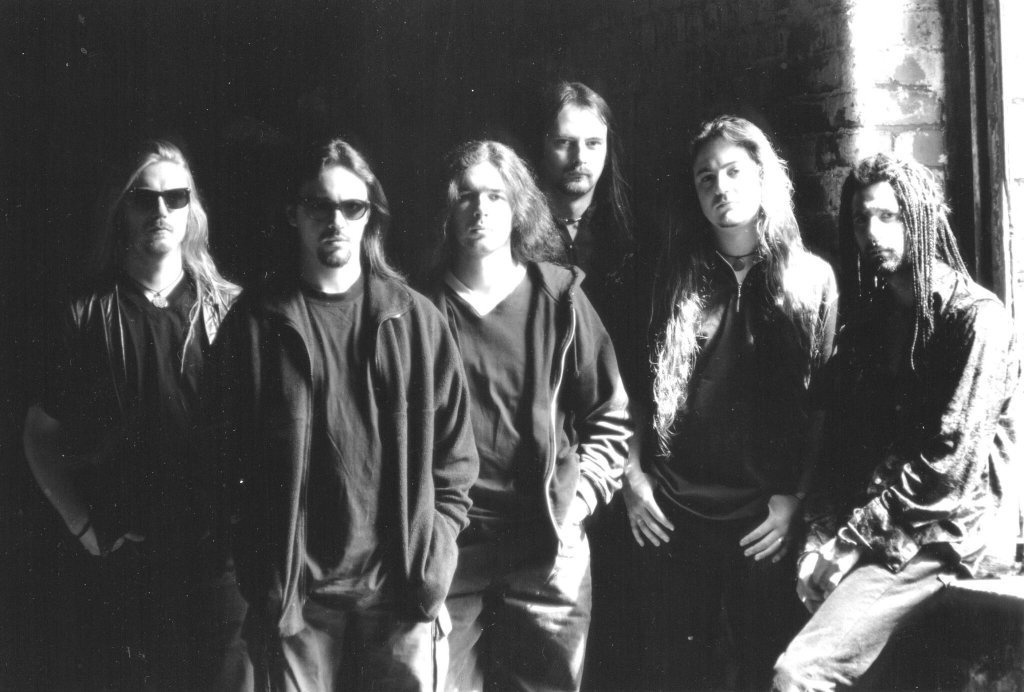
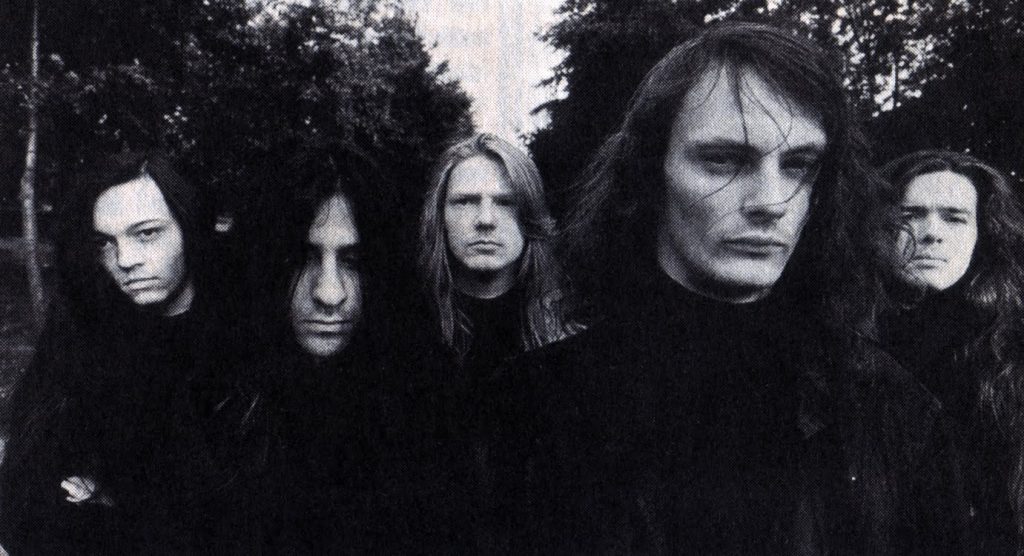
In 1990 My Dying Bride released their legendary demo, Towards the Sinister. Since then they’ve cemented a place in the aristocracy of metal and outlived most of their peers. Scream Blast Repeat decided to celebrate the band’s thirty-year anniversary with a comprehensive review of their entire back catalogue. With twenty-two releases to analyse (excluding five compilation records and two live albums!), we know many of our readers are fans of the band but may not be aware of their colossal output. Some lost touch at the end of the 1990s, while others discovered them in the last decade.
In part one, we see how the 1990s were a glorious chapter in the history of My Dying Bride, with the boys from Bradford proving to be the most consistent extreme metal act of their era. Here, we examine how they became one of the most influential and creative bands of the twentieth century’s closing decade and helped to pioneer the two sub-genres of goth metal and death-doom with a run of classic albums.
Singer and lyricist, Aaron Stainthorpe, gives his verdict on our summary of each album in the 1990-1999 era and shares his memories from this golden period in the band’s career. We also asked Marc Dyos (Pythia) and Debora Conserva (Phobetor) to agree on their favourite My Dying Bride record from this decade.
Towards the Sinister (Demo) (1990)
It all started in 1990 with a four-track cassette demo that caught the attention of Peaceville founder, Hammy. Fresh from co-producing the first Paradise Lost album and impressed that the debut My Dying Bride single sold out on French label, Listenable Records, you can see why he offered them a recording contract after this underground gem did the rounds in the tape-trading scene. Is it doom metal, death metal, goth metal or a combination of all three? Opener, ‘Symphonaire Infernus et Spera Empyrium’ is still as dark and sinister as it sounded to untrained ears in 1990 with its church bells and unexpected tempo changes. Faint keyboard atmospherics and gothic choirs weave in and out of the compositions like a demented version of Celtic Frost with Aaron Stainthorpe singing like a satanic cult-leader drinking from a chalice of virgin blood. ‘Vast Choirs’ is heavier than Morbid Angel and more misanthropic than Obituary, while the layer of low-budget fuzz does nothing to distract from the extremity on offer on ‘The Grief of Age’ and ‘Catching Feathers’. This is a legendary demo that lives up to its title.
Aaron Stainthorpe: What can I say? Our one and only demo tape. You say ‘tape’ to some people these days and they haven’t a clue what you are talking about! We recorded this in a studio in Bradford, mixed it a little, then duplicated it a thousand times, and sent a whole lot off to zines of the day and hoped it would generate enough interest to help sell all the rest and give the band some spotlight time. And it worked. Peaceville Records took notice and came to watch us record ‘God is Alone’ (a 7-inch for Listenable Records). They liked how we worked and offered us a deal.
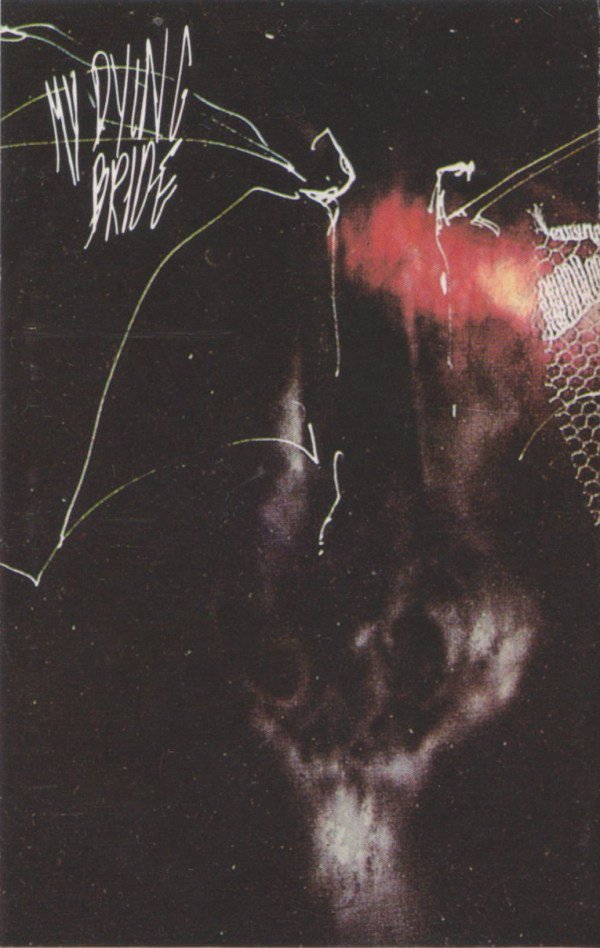

Symphonaire Infernus et Spera Empyrium EP (1992)
The debut EP and a chance to record the lead song from their demo with a bigger studio budget. Aaron Stainthorpe and the boys used the opportunity to add harpsichord and violin to the distorted guitars but minimised the sepulchral sound of the church bell so potent in the demo version. Nonetheless, the title track is a masterpiece of sinister fury with no shortage of death metal riffs to keep things interesting. ‘God is Alone’ is a relentless bludgeoning reminiscent of Carcass while the band show no mercy on final track, ‘De Sade Soliloquy’, with a nod to the dark perversions of France’s most infamous nobleman. Unfortunately, the production is substandard, not least the double-kick drums, which sound as hollow as milk cartons and as bad as the drum engineering on Sepultura’s Morbid Visions album from 1986. It’s not enough to spoil their professional debut, but it prevents it from reaching the potential shown on their demo.
Aaron Stainthorpe: Our debut on Peaceville and an exciting time for the band. We wanted to make an impact, hence the outrageous title and artwork by one of my favourite artists, Dave McKean, who did a splendid job. We began to generate quite a buzz, and people from around the globe began to take notice of us. We were young, of course, but tried to give our music and ‘look’ a mature feel as the current scene was swamped with death metal bands all copying each other, and we needed to be different enough to stand out.
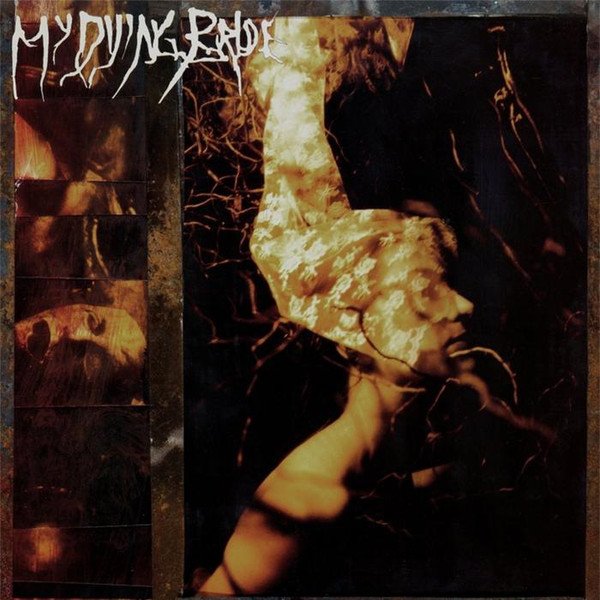

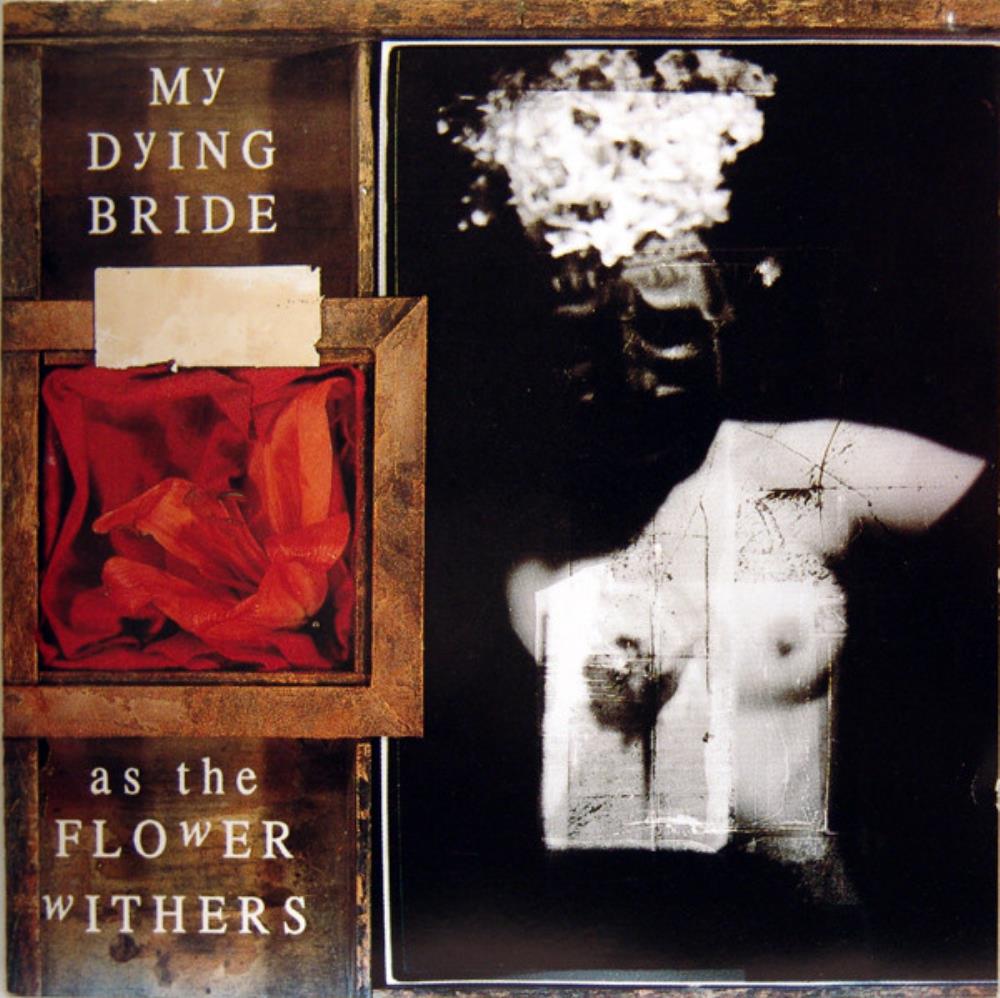
As The Flower Withers (1992)
The production is patchy but the songs on the My Dying Bride debut still sound as evil as they did three decades ago. With Celtic Frost calling it quits, the Yorkshiremen grabbed the successor torch and continued with their violin-driven doom metal without sacrificing the intensity of their death metal roots. ‘The Forever People’ is a slab of brutal guitars and fast drums and the re-recording of ‘Vast Choirs’ has the rarity of a shredding solo. Most compositions have a progressive framework for the music to breathe and explore moods beyond the heinous, albeit in limited quantities due to Stainthorpe’s growls, which sometimes sound a bit flat. The band later re-recorded two songs from this record on later albums (‘Sear Me’ and ‘The Return of the Beautiful’), which suggest they were not happy with the way As The Flower Withers turned out. Nevertheless, placed in the context of extreme metal at the time, this is an impressive debut and one that would go on to influence the burgeoning underground metal scene in Europe. The bass guitar never sounded as heavy as this on future releases.
Aaron Stainthorpe: A correction to the above if I may. We did not re-record ‘Sear Me’. It is a trilogy, this being Part I with death metal vocals, crushing guitars and sung in Latin. Part II was clean vocals with violins and no guitars and completely different lyrics. We did however re-record ‘The Return of the Beautiful’ and re-titled it slightly to ‘Return To the Beautiful’, and we did it because we felt that such an epic song deserved better production, which came later with a bigger budget. Dave McKean did the front cover again, and, lo and behold, loads of other bands started using him too!
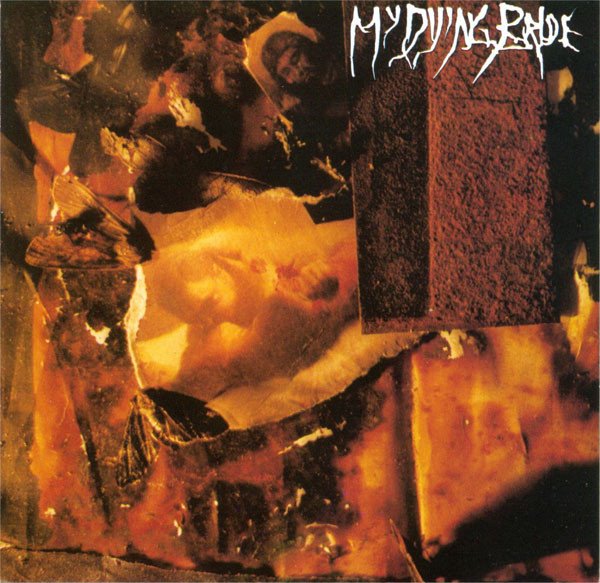
The Thrash of Naked Limbs EP (1993)
A three-track EP of new songs, this release shows the band at their most experimental yet as heavy as their previous records. The title track shares a kinship with the slower moments of Morbid Angel’s Blessed Are the Sick album but adds violin flourishes to enhance the eerie mood. ‘Le Cerf Malade’ is an atmospheric piece of avant-garde minimalism that will appeal to fans of the recent Triptykon live album with the Metropole Orkest. Here, distant flutes and windchimes permeate the sinister drone of gothic keyboards to keep the listener on edge. Final track, ‘Gather Me Up Forever’, is a dichotomous blast of death metal riffs and doom tempo changes, with the two alternating throughout the song. Another strong EP with plenty of variation.
Aaron Stainthorpe: I took inspiration for ‘Le Cerf Malade’ from a brief story I read (cannot recall the author) where a king stag broke its leg and could no longer walk. As his herd loved him so much, they all lay with him, by his side, and all ate the grass together. Unfortunately, the herd ate ALL the grass around the king and so he sadly perished from starvation. I thought this a beautifully sad story, and it inspired the song. This was the first front cover that I designed myself, very obviously influenced by McKean, who by now was creating covers for many other bands, so we felt it was time to move on.
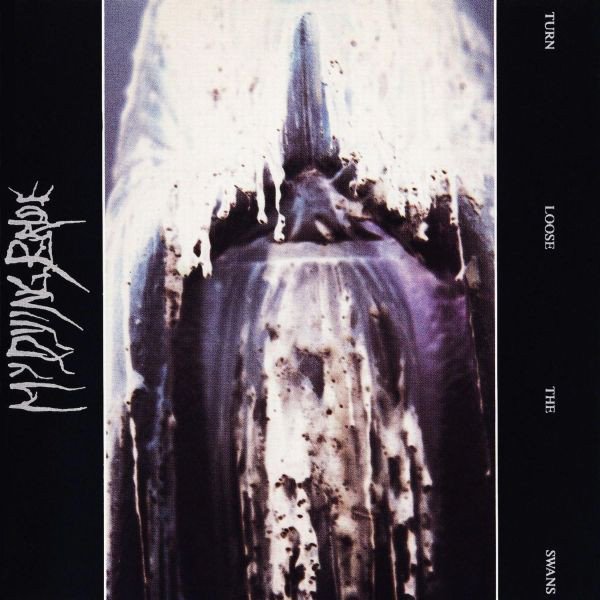
Turn Loose the Swans (1993)
What more is there to say about an album that has so much universal love in the metal genre? Here My Dying Bride gain access to a decent recording studio and mixing engineer and produce one of the finest extreme metal records of the decade. Bordering on the avant-garde but always returning to the grinding rhythms of death metal and pounding distortion of doom, Turn Loose the Swans is a triumph of darkness over light and is so far removed from the metal scene of the time. Martin Powell’s violin bow adds a sense of despair to the proceedings while Stainthorpe demonstrates a new talent for gothic vocals on ‘The Songless Bird’ and an alternative version of ‘Sear Me’ from the debut album. The imperious charge of ‘Your River’ lays on the metal riffs and contains the immortal lyrics, ‘Pleasure too safely enjoyed lacks zest/ The brave lick their sickening lips.’ Michael Gira of Swans leaves his inspiration on the stripped-down beauty of ‘Black God’, which includes the haunting female serenades of guest musician, Zena, and reaches the esoteric heights of Dead Can Dance at their most introspective. This is a masterpiece and never feels interminable despite the monumental length of each track on the record. Celtic Frost’s spectacular come back in 2006 drew inspiration from this record along with many other bands on the European mainland who still reference Turn Loose the Swans to this day. The mighty Terrorizer magazine also included it in their ‘100 Most Important Albums of the 1990s’.
Aaron Stainthorpe: Yeah, it’s an OK album! And again, just to clarify, the ‘Sear Me’ on this LP is a completely different entity than the song on the debut LP and is titled ‘Sear Me MCMXCIII’, denoting the year this song was composed. This LP had a huge impact on the scene and propelled us into mini stardom of a sort as we became the gossip of the industry for a short while. We wanted to make a strong impact with our second full length so just poured our hearts into the songs and made sure they were passionate compositions elegantly delivered. I did the artwork again and just a foot note, the LP, CD and cassette all had completely different covers, which may have been a first. Again, just rattling the cage and making sure people were talking about us.

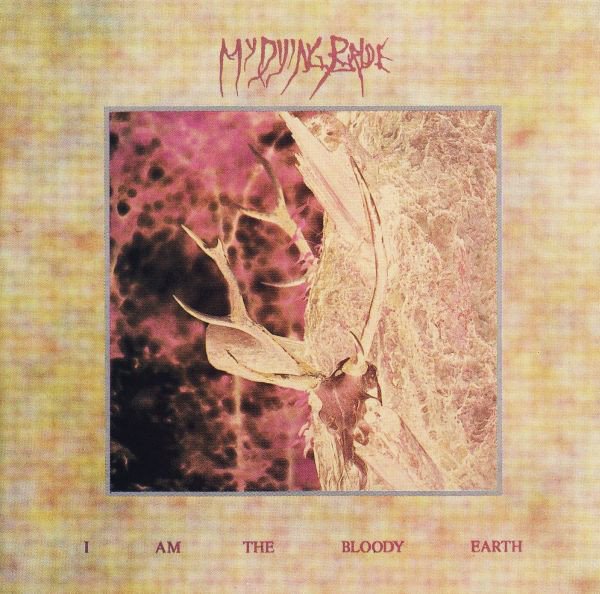
I Am the Bloody Earth EP (1994)
An EP with one new song, a reinterpretation and a remix is unlikely to score high, but My Dying Bride are not your typical band. The title track is 6.34 minutes in length and worthy of any album from this period. Stainthorpe’s vocals are as vicious as a crazed Viking in berserker mode, which is just as well considering the surname ‘Stainthorpe’ is of Norse origin from the Danelaw period of English history. We get the violins, the brutal doom riffs, the unexpected tempo changes, and the lack of any attempt to stick to a verse-chorus format – everything we like about the band. ‘Transcending (Into the Exquisite)’ is a trippy industrial version of ‘The Songless Bird’ from Turn Loose The Swans. It’s far too long, but die-hards will appreciate the way they’ve turned it into a goose-stepping anthem. The remix of ‘Crown of Sympathy’ is forgettable and brings nothing new to the original except an extended intro with some pointless vocal loops. Peaceville would later release a compilation of the first three My Dying Bride EPs with 1995’s Trinity offering.
Aaron Stainthorpe: Quite a fascinating record in my opinion. An awesome, brutal main song with many a twist and a belter to perform live. ‘Transcending ..’ was a mix myself and Calvin were very keen to get involved in so asked Drug Free America main man Steve to fiddle with our music and make it a bit ‘rave’ because we were big fans of The Prodigy at the time. I think Calvin was responsible for the ‘Crown…’ remix too as he had a passion for dabbling in music of an electronic nature. EP’s are classic territory for experimentation, and we used the format well for this purpose. Fans knew damn well they were never going to get three ‘regular’ songs on them. The cover was a photo I took in Ireland at my uncle’s homestead where they had all manner of oddments happening.


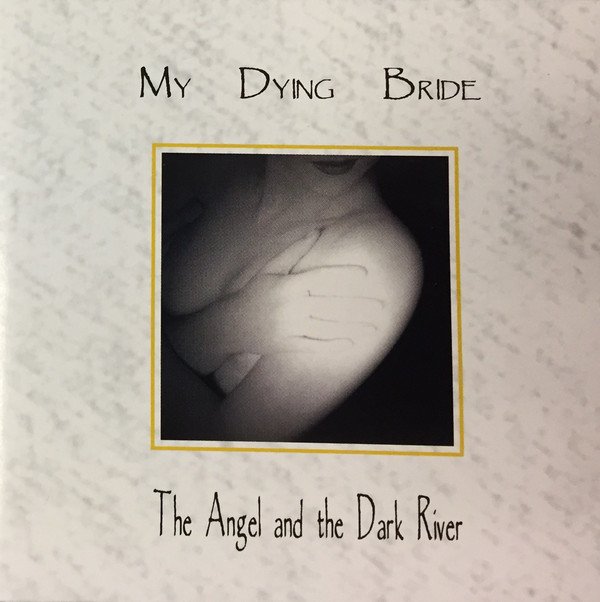
The Angel and the Dark River (1995)
All great bands have an album with that song people know outside the underground. ‘The Cry of Mankind’ is the most famous My Dying Bride track in their repertoire with the iconic finger-tapping guitar and tribal drums at the beginning. And which other band could include a fog-horn solo at the end yet keep the listener hooked? Stainthorpe drops the death growls for a morbid interpretation of Roy Orbison’s voice filtered through the sordid mind of Nick Cave. It’s a big shift from the throat ululations of previous albums but works well with the slower violin-driven metal riffs. We also see another trademark emerge on this album in the form of the sudden tempo change that is such a distinctive part of the My Dying Bride sound. This is best personified in the surprise modulations on ‘From Darkest Skies’ and the superb switch from melancholy violins to thrash metal on ‘Your Shameful Heaven’. A fans favourite, this record also contains some of their finest lyrics with the immortal line, ‘Your shameful heaven is full of devils/ Just like me, just for you.’ The Angel and the Dark River is the perfect place to start for those intimidated by the MDB back catalogue. Think of it as the musical accompaniment to Kraft-Ebbing’s nineteenth-century case studies published in Psychopathia Sexualis.
Aaron Stainthorpe: We were on quite the high by this point having now toured Europe extensively with many different acts (At The Gates, G.G.F.H., etc.) and were feeling the vibe of almost ‘making it’ but within the genre of course, not in general. Heaven forbid the general public actually liking us! But Steve Harris from the mighty Iron Maiden did and offered us a full European support tour, which we devoured up with relish. It was an amazing time for all of us, especially when we played on the Maiden football team where Rick and Andrew both scored in our debut game! Maiden were pure gents and treated us with maximum respect, which I will never forget. Nicko even let Rick do the sound check for him which was amazing to watch and naturally Rick was over the moon. We played the biggest venues in our lives at that point and were riding high on life.
Like Gods of the Sun (1996)
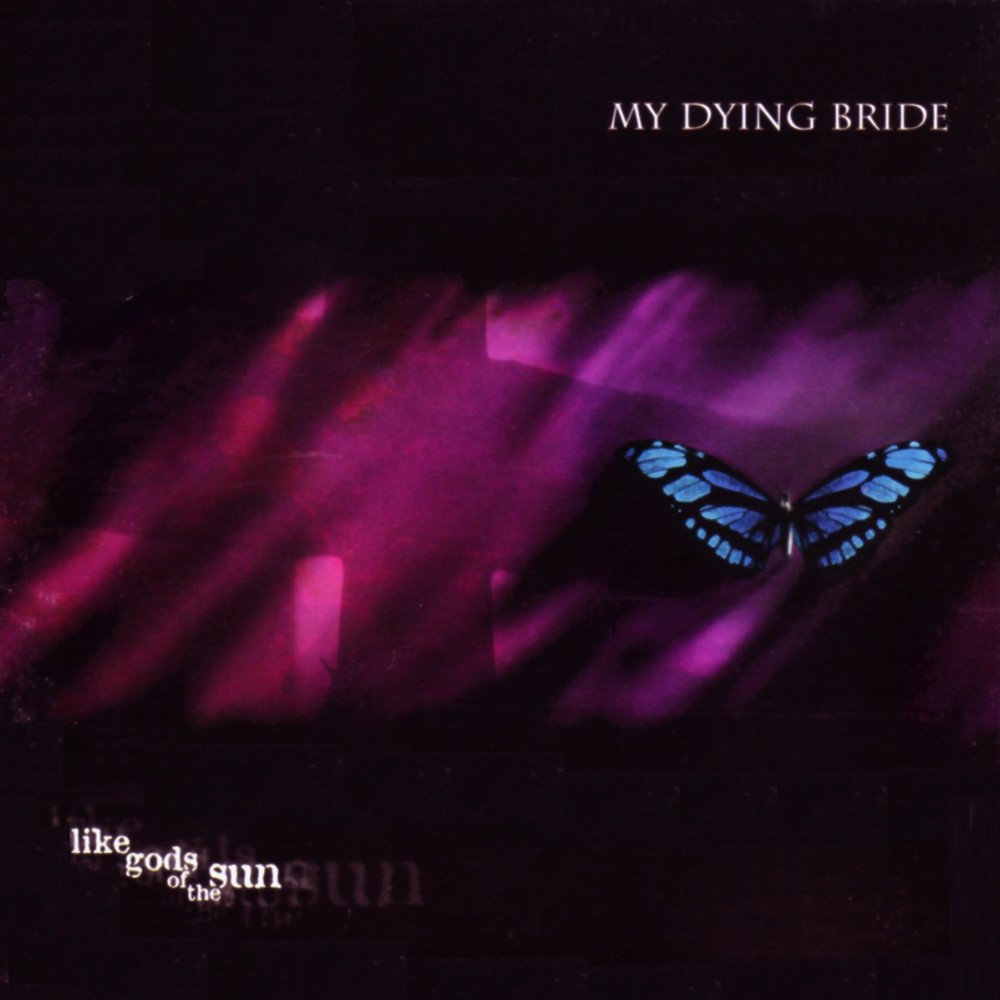
Along with Heartwork by Carcass, this album has the best guitar tone of the 90s. Andrew Craighan and Calvin Robertshaw put in the performance of their lives on the lower reaches of the fretboard with some of the most colossal metal riffs ever committed to tape. The violins are still an integral part of the sound with better use of gothic keyboards to accentuate the dark mood of Aaron Stainthorpe’s sultry voice. You’ll find no death growls or lightning fast moments here but the likes of ‘The Dark Caress’, ‘All Swept Away’ and ‘It Will Come’ will have you spinning your head to the monumental palm-muted guitars while you contemplate the poetic concupiscence of the lyrics. Think Candlemass, Celtic Frost and Sisters of Mercy perfecting their art in the same studio. Critics missed this gem of a record at the time while everybody was fawning over Type O Negative’s classic October Rust album. One spin of the title track and the lead single, ‘For You’, are enough to tell you why this remains Stainthorpe’s favourite release. The fact it sold 75,000 units worldwide is just as impressive. Essential listening.
Aaron Stainthorpe: This was our most commercial outing to date and probably pissed a lot of die-hard fans off but won a ton more, so, easy come, easy go. It was an era when Music For Nations (now part owners of Peaceville) were giving us a strong push and we saw the LP sell like hot cakes all over the world, and the press trips I had to do were long and busy but very much worth it, covering magazines, radio stations, TV and newspapers. The internet was still in its infancy then, so press was all done face-to-face or over the phone. We actually never set out to make the LP that was made, we just carried on doing what we do and hoped it would all be okay. I wanted a break from death metal vocals so tried a different approach and it worked, for the most part. Some folks thought the growls would never return but, oh, how wrong they were!
34.788%…Complete (1998)
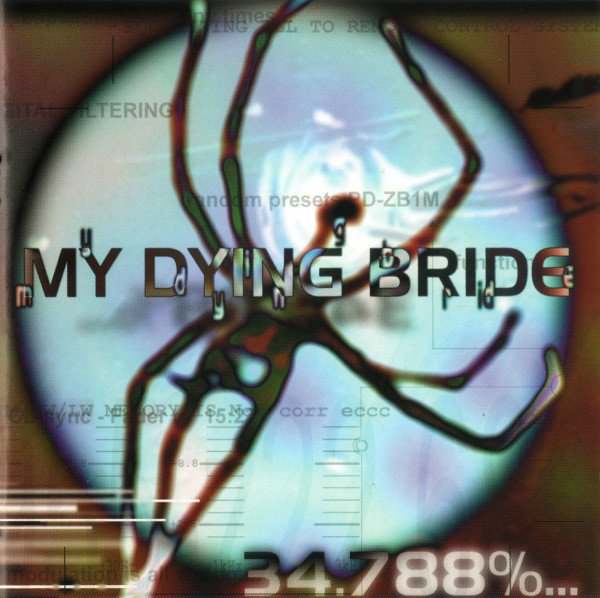
It had to happen at some point. The 1990s’ craze for exploring electronic and industrial soundscapes caught up with My Dying Bride on their fifth album, yet, somehow, they managed to pull it off even if the fans had a more negative reaction at the time. This is a fascinating record that swaps the poetry of dark romanticism for the sleazy diaries of a twentieth century kerb crawler. Opener, ‘The Whore, The Cook and the Mother’, gives us an indication what to expect with Stainthorpe embracing Billy Corgan’s nasal style over the top of loud guitars and layers of sparse electronics with no discernible chorus or conventional structure for the entirety of its twelve minutes. This is not the My Dying Bride we know, but it’s just as dark and unsettling. Anyone assuming this is the point where they sold out will think twice when they hear ‘Heroin Chic’, which must be the most twisted take on Portishead ever recorded. Yes, this album has the standard tools of a late 90s metal experiment with electronics – the wah pedal guitars, the drum machine samples, the emphasis on loud bass and high EQ on the amps. But this is far too depraved and grounded in sexual perversions to be a commercial record. If only Paradise Lost could have embraced this type of sound during their electro-goth phase. This is how you take Depeche Mode, Nick Cave and Pro Tools software and balance the samplers and keyboard effects with metal riffs. They never returned to this style, but it sounds just as leftfield and original now as it did in 1998. Give ‘Base Level Erotica’ a listen and see if this doesn’t make you desire the heel of a dominatrix on your throat.
Aaron Stainthorpe: It is rather sex heavy, isn’t it? I honestly didn’t know that at the time! I just wrote what was on my mind and clearly nakedness was it. This LP did shock most of the fans upon its release but of course we knew it would – just look at it! I did the cover art again, and we chose a very obscure title which was based on a dream Calvin had about life running out. The dream told him we’d used up 34.788% of life so far, but it was escalating rapidly as our lives got more intense and chaotic, thus giving us very little time left as humans. If we strip away the title and the cover and maybe pop ‘Heroin Chic’ to one side for a moment, this is still very representative of the MDB fans know and love but those few hurdles were a tad high for some folk to scale, although, these days, fans are now chatting about it like a lost gem and are thrilled with its content. Calvin chose to leave the band after this release, which curtailed our touring plans, so we simply cracked on with writing the next LP.
The Light at the End of the World (1999)
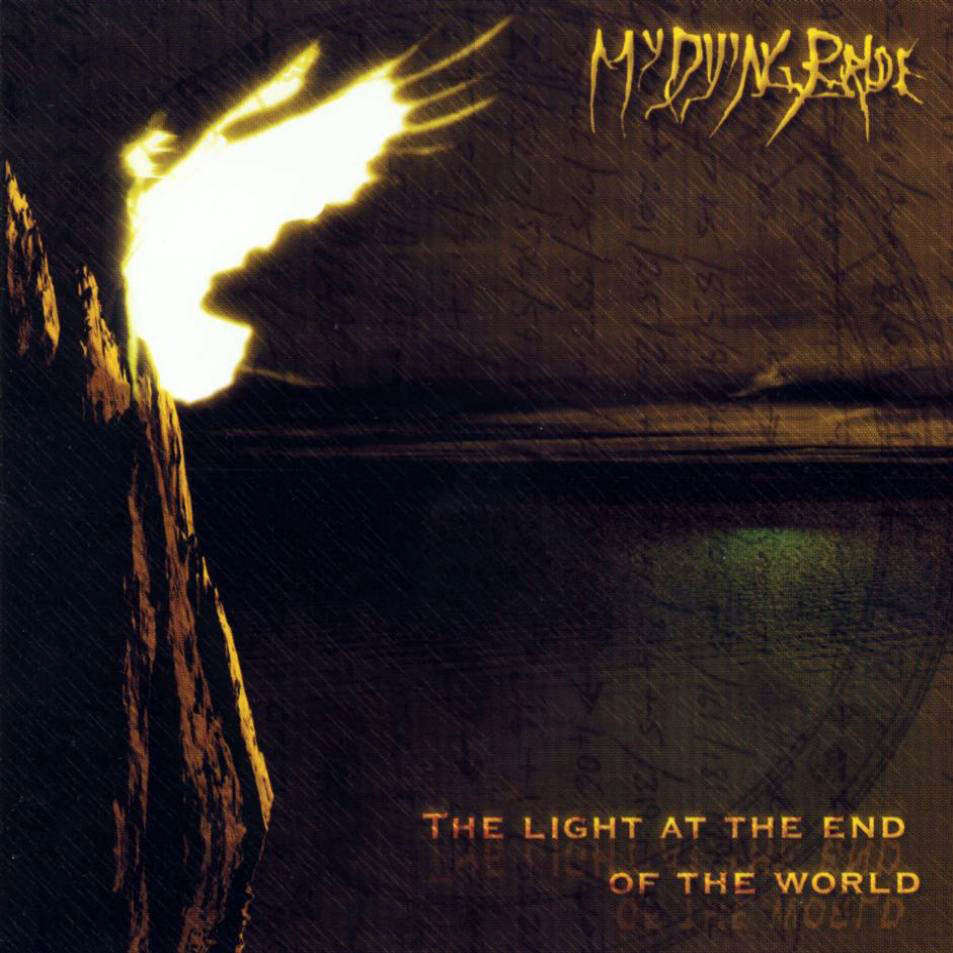
We asked Marc Dyos (Pythia) and Debora Conserva (Phobetor) to agree on their favourite MDB album and this was the one they settled upon. ‘This was a big step up in terms of production and playing,’ says Mark. ‘A more riffy affair than previous offerings, and certainly less experimental than 34.788%… Complete. It also heralds the welcome return of Stainthorpe’s extreme vocals. Though the violins are absent, the occasional keyboard parts compliment the chuggy guitar tone and cleaner drum sound on this record. Exploring faster tempos in places (well, faster by MDB’s standards), the tracks are still lengthy yet seem to flow better and have more drive, perhaps due to the more continuous presence of drums throughout the recording, or the busier guitar riffs driving the songs forward.’ Scream Blast Repeat agree this is one of the best records in the band’s discography. ‘There are still quieter ambient sections, as you’d expect from MDB,’ explains Mark, ‘but they feel somewhat more structured and compact than on albums such as Turn Loose… and The Angel and the Dark River. All this makes The Light… one of the more accessible MDB albums to the non-die-hard fans, yet at the same time manages to retain all the elements of the band’s classic sound.’
Aaron Stainthorpe: Indeed, after the experimentation of 34.788% we decided on a much more ‘back to basics’ style with The Light… and it seemed to work. The fans went crazy for the death metal vocals again and the live gigs saw them all joining in with me, yelling at the top of their voices, which is just a great experience. We’d had fun with 34.788% but now was the time to get back to what we know and love and do best – proper fucking doom/death! We’d had a few line-up changes by this point, but they never once fazed us and the quality of the songs on this LP are a testament to that. Nothing brings us down! As long as Andrew and myself are steering the good ship MDB, all is well.
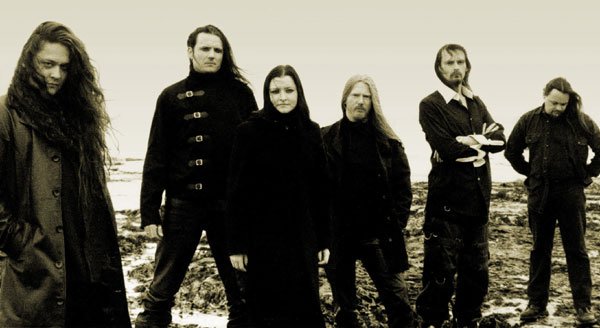
Peaceville used the beginning of a new millennium to curate two retrospectives of the My Dying Bride canon with Meisterwerk I (2000) and Meisterwerk II (2001). These are magnificent ‘best of’ records and are always a good place to start for those new to the band. In part two, we resume with the Yorkshire sextet’s first album of the twenty-first century with 2001’s The Dreadful Hours.
‘The turn of the new century was more a personal high note than a band moment in all honesty,’ admits Stainthorpe. ‘We were with friends and loved ones and had a mighty party at bass player Ade’s house, which took a few days to recover from but the band itself simply carried on doing what we do and were not inspired by the changing times we were living in.’
With characteristic understatement, the My Dying Bride frontman has little inclination to dwell on the exquisite consistency of the band’s output in this decade. ‘The millennium ticked by, and we just got on with it. I wish I had a bit more to say really. Sounds a little dull, doesn’t it? Oh, well.’
We wouldn’t have it any other way here at Scream Blast Repeat.
*** My Dying Bride released their thirteenth studio album, The Ghost of Orion, through Nuclear Blast on 6 March 2020. You can read our original review here.
*** They also release their latest EP, Macabre Cabaret, via Nuclear Blast Records on 20 November 2020.
*** Look out for when we release part two of this feature on 29/11/2020 at www.screamblastrepeat.com.