
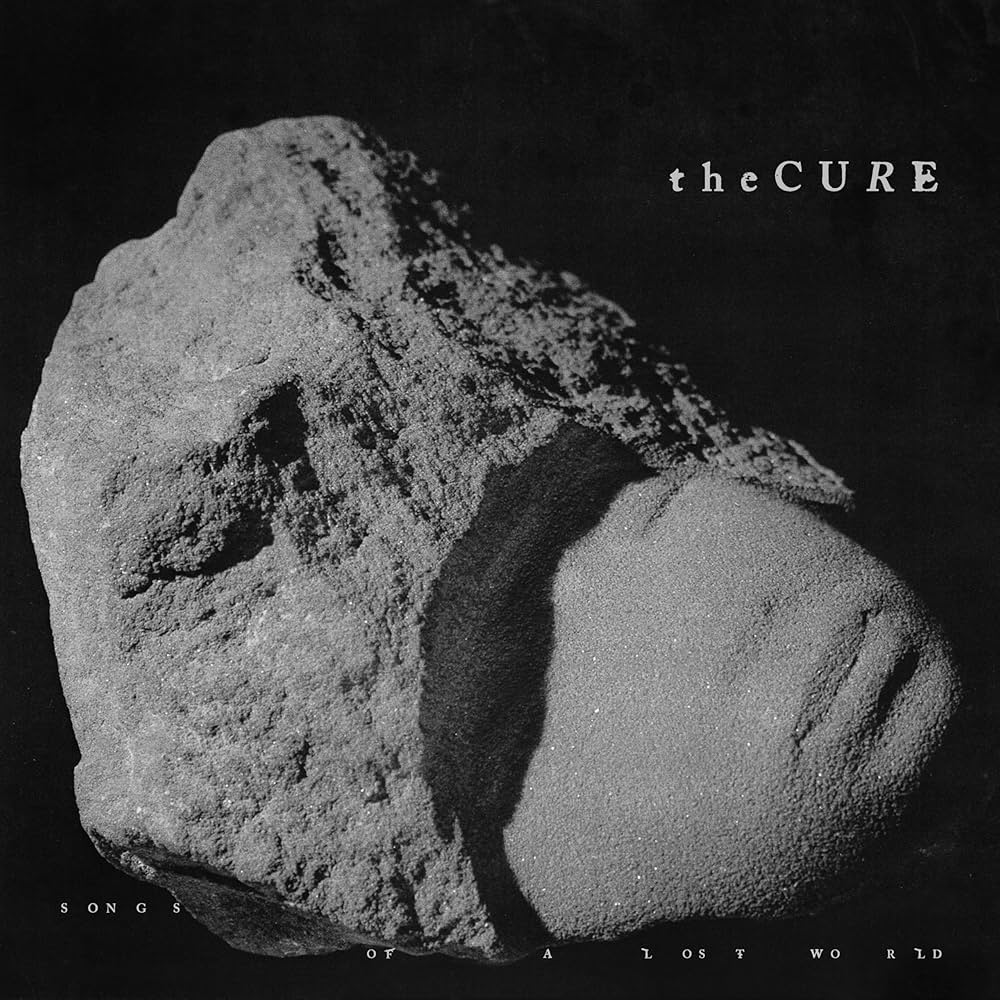
The Cure are an institution in Britain. It wasn’t always that way. Written off as gloomy goths but respected for their earlier works from 1979-1982, they became legends after conquering America with 1989’s Disintegration and a national treasure after 1992’s Wish. Yet they – or Robert Smith – couldn’t care less about the UK music press. France cherishes them as one of their own. Alternative culture in the United States adopted them for their zeitgeist before grunge arrived. Petitions beg them to visit Japan. They’ll play Wembley and – much to the delight of this reviewer – work through the gloomy songs of their back catalogue while others call for ‘The Lovecats’ and ‘Friday I’m in Love’. Anyone bored to death by the endless praise for The Beatles, The Smiths and Radiohead should look no further than The Cure if they want a legendary band with an exquisite discography.
Despite the iconic and easily lampooned goth image, The Cure haven’t been goth since 1981 (see their angst-ridden album, Faith), yet a heavy wall of sound with wah-wah guitars and chunky basslines has taken hold of their music since 1985’s The Head on the Door. Often, they’ve presented this face with a happier expression and a cuddly sense of humour to balance the darker side. You hear stories of people losing their virginity to 1987’s Kiss Me, Kiss Me, Kiss Me, but you might also hear the urban legend of others committing suicide to 1982’s dark masterpiece, Pornography. So, which face can we expect on their first album in sixteen years?
Fans of the mournful introspective side of The Cure will be delighted that Robert Smith sees no need to write pop songs in 2024, although that might also be a loss to the musical eco-system considering the band’s penchant for writing generation-defining hits. No, Robert Smith is not in the mood to talk about lost love or celebrate sentimental memories in a three-minute pop format. Lyrics in Songs of a Lost World talk about “birds falling out of our skies” and “love falling out of our lives.” The opening effort, ‘Alone’, sways under the power of a six-string bass and an aching voice that deserves to be heard in the snow and on your knees. You only need to look at the song titles to work out the mood here. ‘And Nothing is Forever’ is the closest they come to revisiting 1989’s ‘Plain Song’ with flourishing string arrangements and a regret that aging produces an inevitable decay of the body, the mind, and our relationships with others. “I know that my world is grown old and nothing is forever,” laments Smith.
As the archetypal mope rock stereotype, you might expect The Cure to be prisoners of their glory years. They aren’t. This album is an exploration of growing old and dealing with the death of loved ones around you. It’s mournful but beautiful; miserable but unwilling to be fatalist; and never scared to be vulnerable. ‘A Fragile Thing’ thrives on a simple piano progression and metallic basslines and harbours one of the album’s few chorus repeats. That’s because The Cure are back to their format of long cinematic intros. They don’t bother with key changes. Nothing appears in a radio-friendly format. ‘War Song’ is an overflow of electricity squirming through the guitar amps with Smith opening his gullet to release a slew of high-tenor rage like it’s 1989 again. And then there’s Simon Gallop, The Cure’s masculine Iron Maiden-loving bass player who treats his instrument like a guitar. Listen to the deep growl of his bass in ‘Drone: No Drone’. Here, Smith delivers his words in a hummable tune like those that united a British generation in indie rock and acid house at the beginning of the 1990s.
Why did it take sixteen years to produce this album? The answer lies in Robert Smith. He doesn’t believe in making the same record twice. The band received obscene amounts of money to headline the world’s finest festivals. They were ready to wind down in 2018, on their fortieth anniversary. His brother passed away. All these factors conspired to delay a new album. It might explain why ‘I Can Never Say Goodbye’ went through many versions before settling on a piano-driven number with animated drums to make sense of the night when his brother died.
Songs of a Lost World recognises the sorrows of confronting our mortality and adjusting to the reality of our senior years. Occasionally, you can tap your foot or hum along to a rhyming couplet, but this record is a melancholy expedition caked in guitar noise and beefed up with heavy basslines. The unique melodious groans of Robert Smith remind us that nobody writes music like The Cure. Indeed, these are songs from a lost world that’ll never be replicated, though many artists will be inspired to try.
Verdict

Release Date: 01/11/2024
Record Label: Universal Music/Polydor
Standout tracks: A Fragile Thing; War Song; I Can Never Say Goodbye
Suggested Further Listening: The Cure – Pornography (1982), The Cure – Disintegration (1989), The Cure – Bloodflowers (2000)