
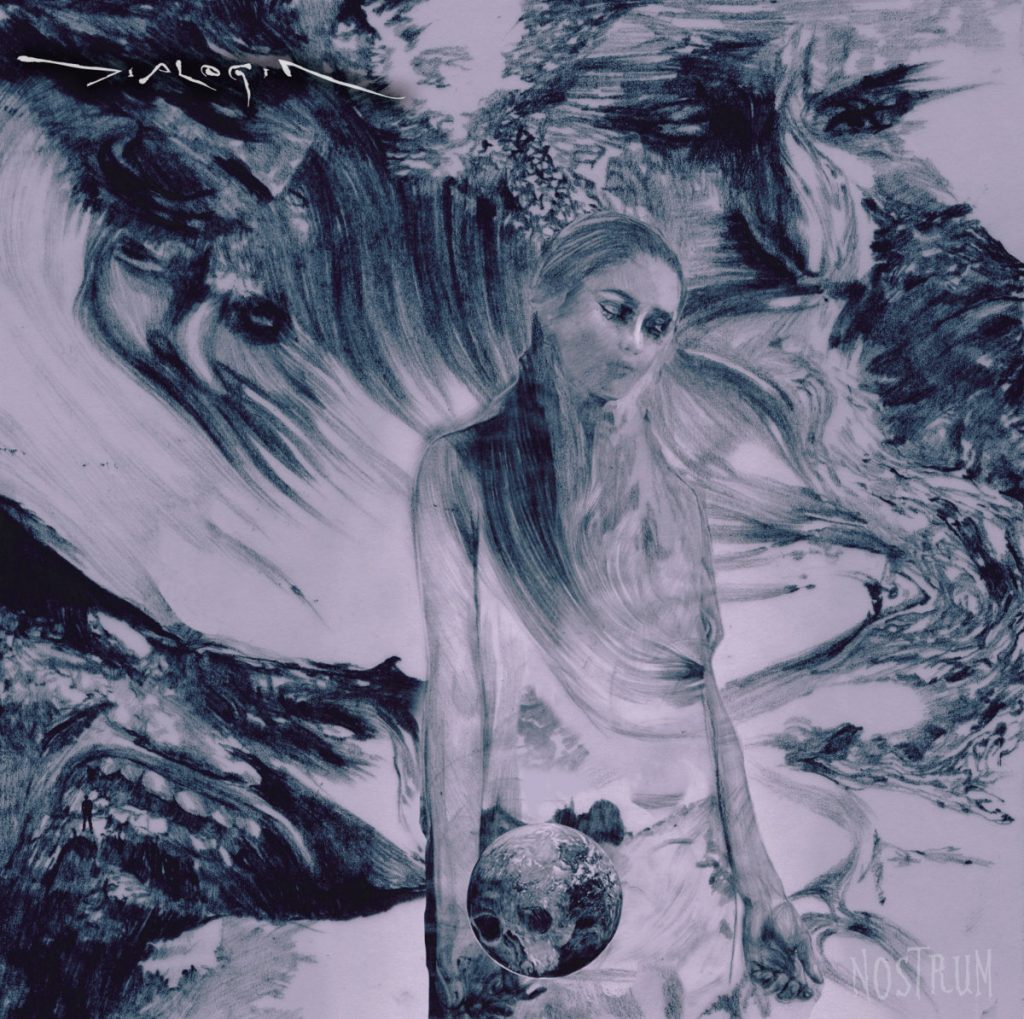
Maryland progressive death metal trio, Dialogia, produced one of the best debut albums of 2020 and set a high standard for their sophomore effort in the coming years ahead. Featuring guest appearances from Bobby Koelble (Death guitarist on Symbolic) and mixed by ex-Cynic guitarist, Tymon Kruidenier, Nostrum already has the ear of some of the most esteemed musicians in the death metal underground.
“The concept of dialogics not only gave the band its name, but became its mission: to make a wholly dark metal record that was not just shaped by the records that had come before, but would in turn transform the very same works that had led to its creation,” the band explain. It’s true that Nostrum makes you want to dig out the debut Cynic record to reappraise it in light of Dialogia’s inspiration from the Floridian legends, but the trio pay homage to nobody and do not sound like a lesser version of any artist. They call their music “Sleep-deprived sonic intoxication”, which is an accurate description of the mood and aesthetic of their debut record. Fans of the early Anathema catalogue and the latest effort from Tomorrow’s Rain will enjoy it just as much as the devotees of progressive death metal acts like Fallujah. Stream the album through your smartphone while enjoying a morning walk in the lonely countryside lanes, and you’ll feel like you’re floating at the first sign of raindrops on the tip of your nose. The stunning artwork by Dasha Pliska captures the mood of the record with its light shades of lilac and distorted pencil work teasing out all manner of contorted faces blended into the background of the wandering heroine at the centre of the canvas.
It goes without saying that the musicianship is exquisite, yet, like all great progressive artists, Dialogia let their compositions breathe despite the avalanche of notes and key changes along the way. Nowhere is this more evident than in the drum work of Jasper Barendregt, which has a loose feel to it like Sean Reinert at his experimental best. You can listen to Nostrum for the drums alone, but this would be a disservice to the intricate guitar work of Bobby Tufino and compositional mastery of vocalist and multi-instrumentalist, Alejandro Nogales. This is sophisticated music at its introspective best, like an extreme metal take on the later records of English art-pop legends, Talk, Talk.
We talked to the three band members about the musical influences on their debut album and discovered they have a love for a wide range of metal genres.
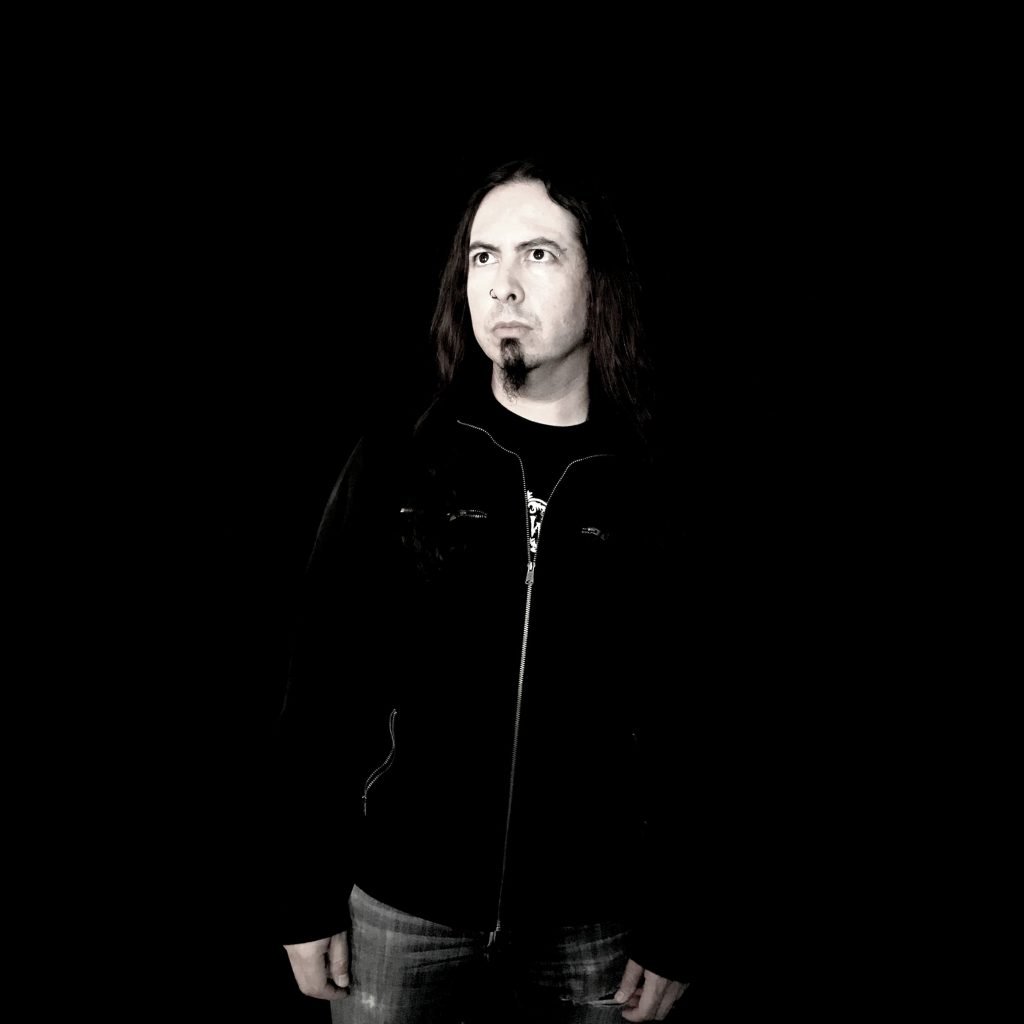
Vocals, guitars, bass and keys
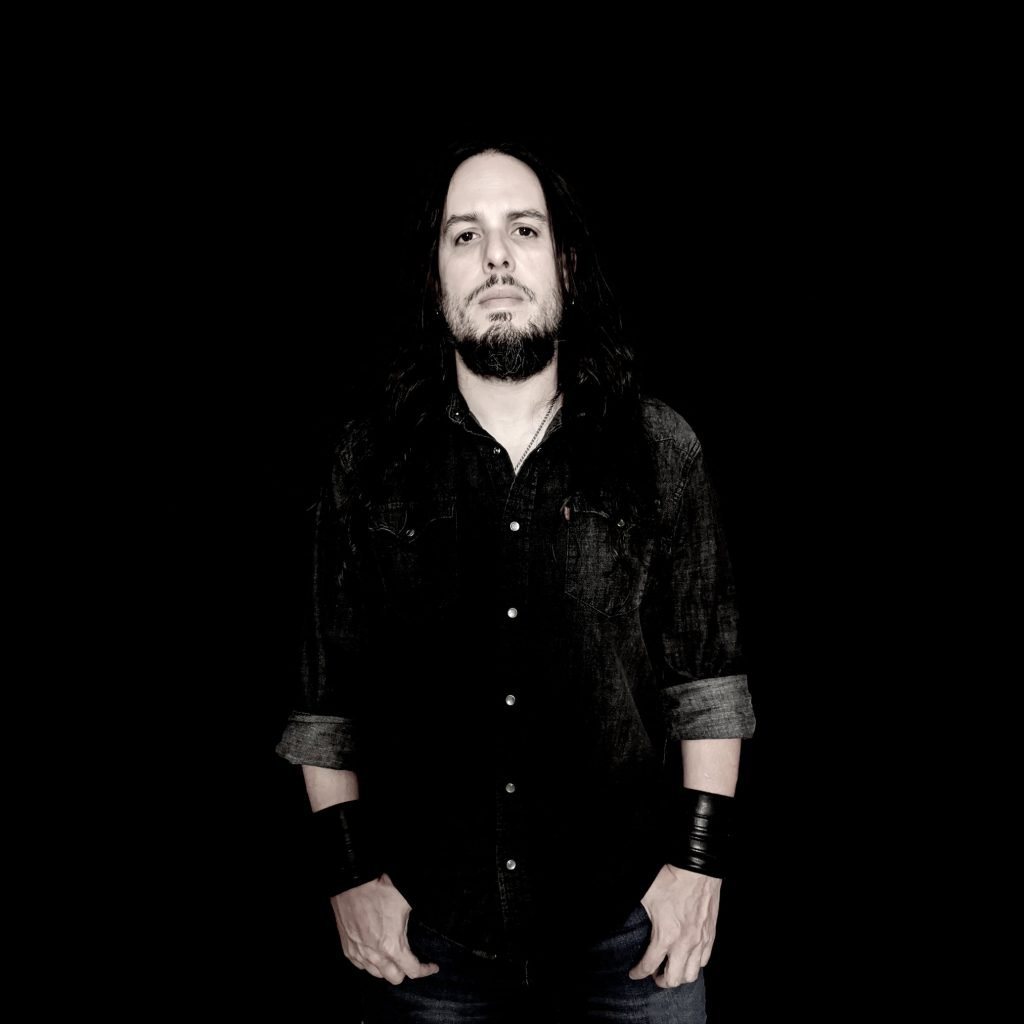
Guitars and backing vocals
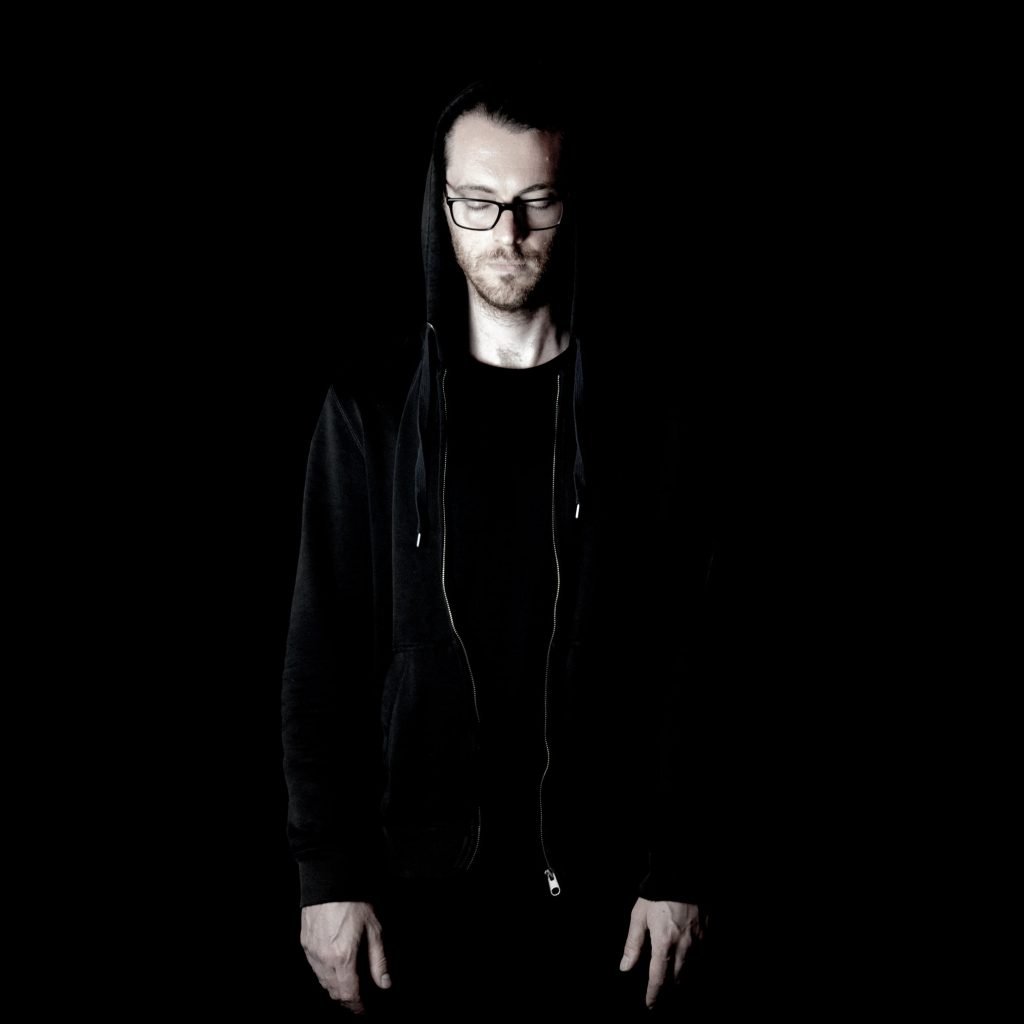
Drums
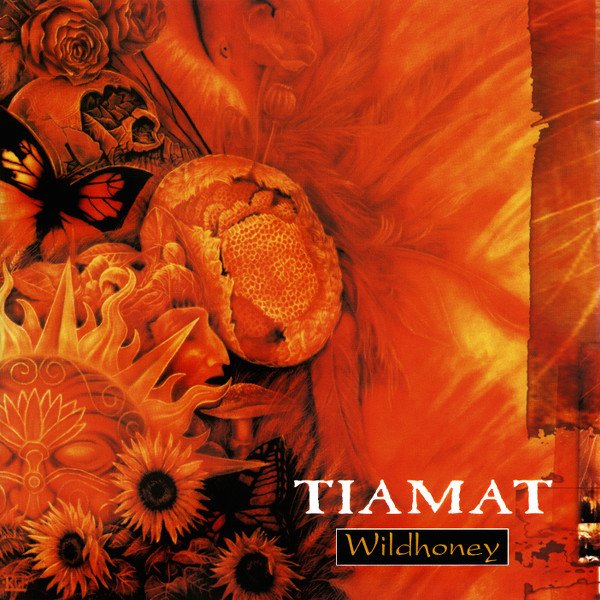
7. Tiamat – Wildhoney (1994)
Alejandro Nogales (Vocals/bass/guitar/keys): An album that I deeply connected with as a kid that has carried on with me throughout my entire adult life. It was historic in terms of the kind of seamless experience a death metal band could show in terms of progressive phases of motion, as the heavy gave way to ethereal soundscapes. When I began writing my own material, Wildhoney was that symbol/beacon of quality that I was reaching for. Since these songs are now deeply embedded in my tissue and marrow, invoking nature, psychedelia, and the occult felt like very natural starting points. Listen to ‘Visionaire’, with those simple power chords and an ostinato-like clean arpeggio steadily ringing out over them… You couldn’t have our song, ‘Stratagem’, without that.
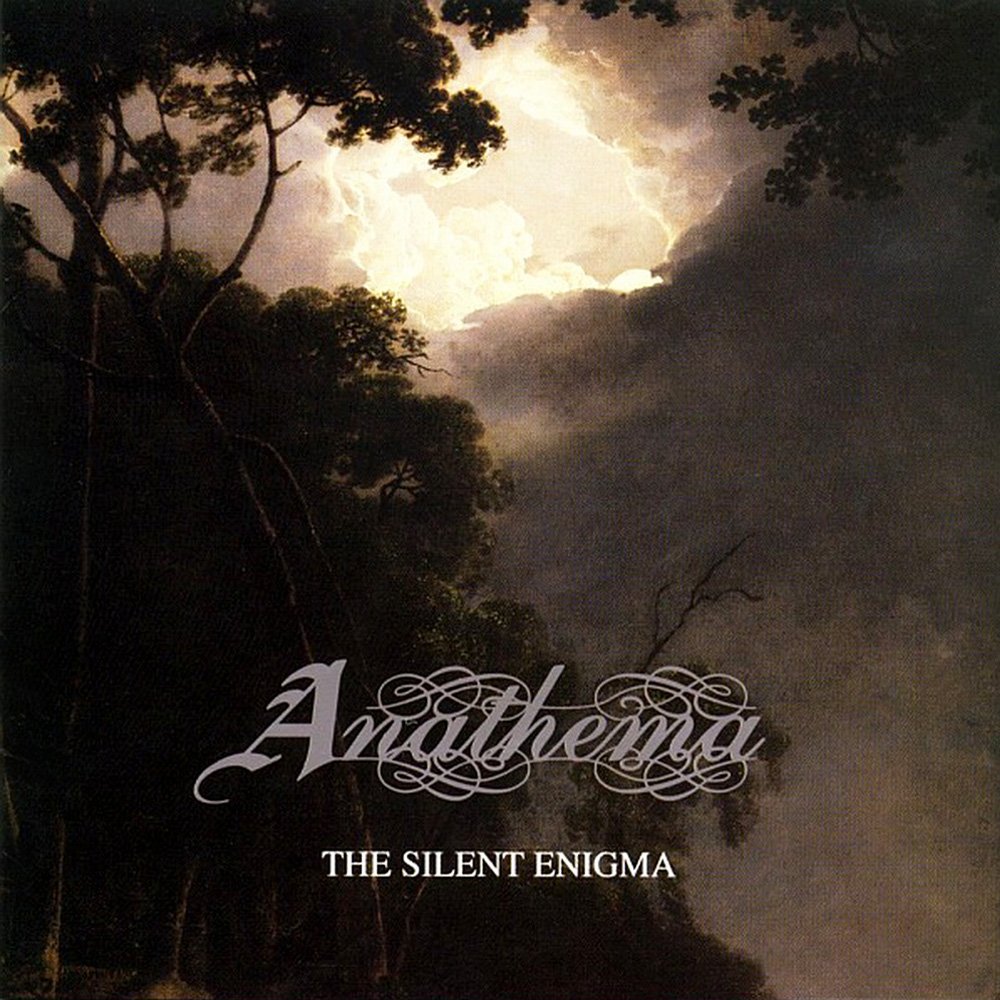
6. Anathema – The Silent Enigma (1995)
Bobby Tufino (Guitar/backing vocals): I discovered Anathema the same way I discovered Tiamat, by reading Ula Gehret’s reviews in Metal Maniacs in the early 90s. I loved Serenades and Pentecost III even more, but The Silent Enigma just struck a certain chord with me. There’s a particular anguish that I hear in Vincent’s early vocal style (check out the chorus of ‘Shroud of Frost’), and I really liked their use of clean guitar lines (and bass lines: check out Duncan’s lines in ‘Shroud of Frost’ and ‘A Dying Wish’ in particular) over not-so-distorted rhythm riffs. It’s a pretty unique combination of sounds, and that album always evokes the feeling of wandering around on the moors, not adequately dressed for the cold, consumed by some great loss. I guess ‘Earth’ is the Dialogia song that most obviously has that DNA, but you can definitely hear Anathema’s influence on the ‘Sacrosanctum’ interlude and the “Time” section of ‘FearBlack RedEscape’. I could have easily named Alternative 4 or Judgment or Eternity – they are all timeless and I never go long without listening to them. But The Silent Enigma is probably the one whose drawn-out desperation most permeates Nostrum.
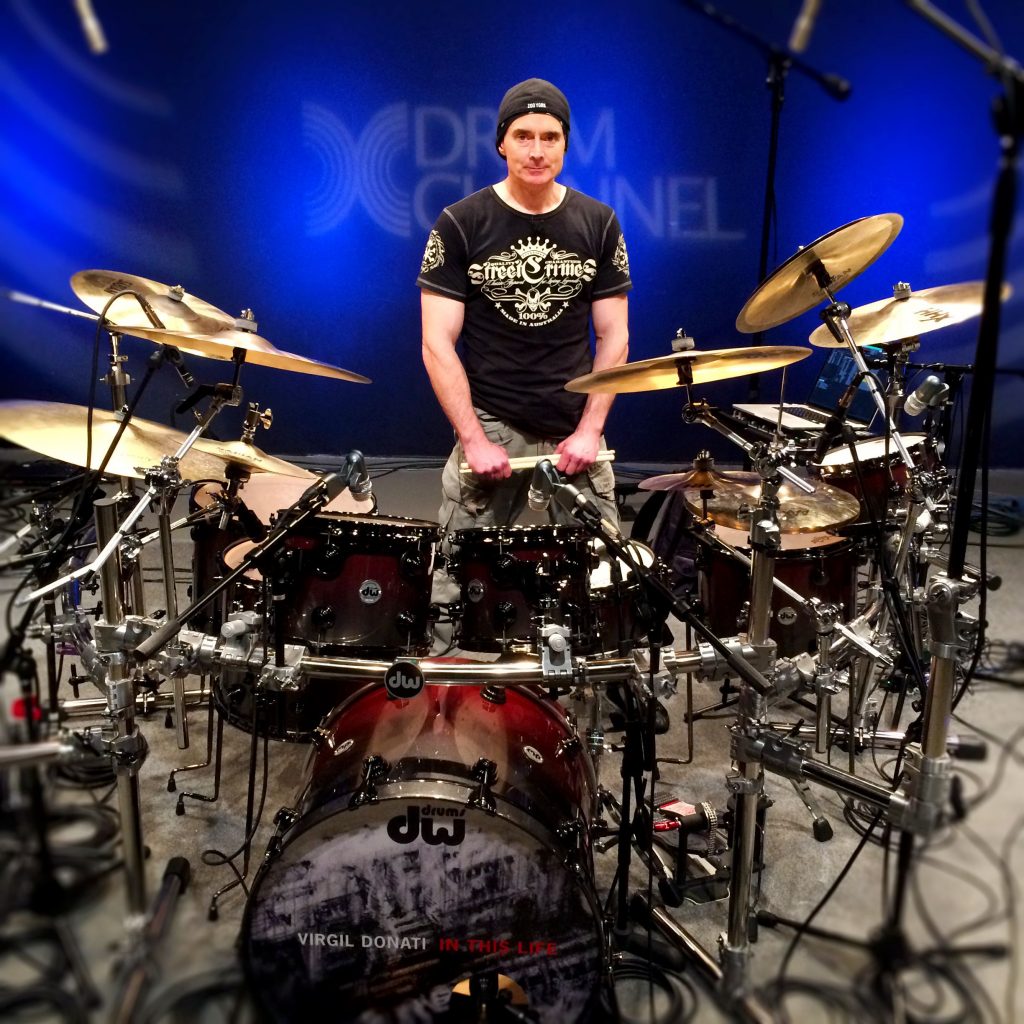
5. Virgil Donati & Morgan Ågren (Drummers)
Jasper Barendregt (Drums): Two very different drummers, both equally interesting and talented in their own rights. I’ve been listening to both these musicians since my (early) teens, with Virgil’s work on Universe by Planet X being the first time I heard a drummer play metal-orientated music with such a sense of dynamics. Morgan’s “out-of-the-box” and “autodidactic” drumming was a fascinating discovery for me when I heard the late 90s/ mid-2000 releases of Mats/Morgan (Band). Besides the records by Planet X, Donati’s heavy fusion/ prog metal playing on the records Serious Young Insects (by On The Virg) and Planet X (by Derek Sherinian) has very much influenced my drumming throughout the years – especially his dynamic and creative double kick playing, technical prowess and powerful sound. Ågren is like a mad scientist: Besides his personal releases, work with Mats Öberg and his session work for Kaipa, his contributions to the ‘Z1-/ Z2-Reticuli’ tracks & ‘Tathagata’ (featured on Sol Niger Within by Fredrik Thordendal’s Special Defects) are some of the most beautiful “walls of drum sound” I’ve ever heard.

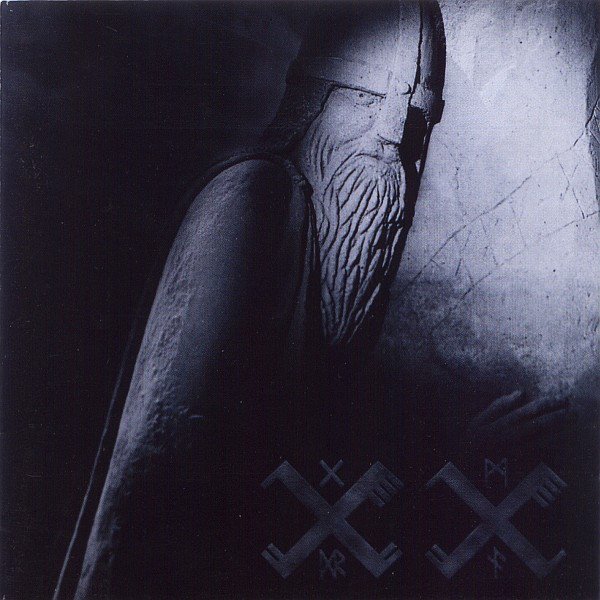
4. Of the Wand & The Moon – Nighttime Nightrhymes (1999)
Alejandro: There are very few artists that can transport me into different realms of existence by crafting each line with only three to five words. Kim Larsen has always evoked such strong feelings out of me by painting such vivid pictures, context and all. There were many times that I tried to channel my inner Larsen: I was trying to convey a lovely darkness by arranging intricate detail swathed in poetic enigma.
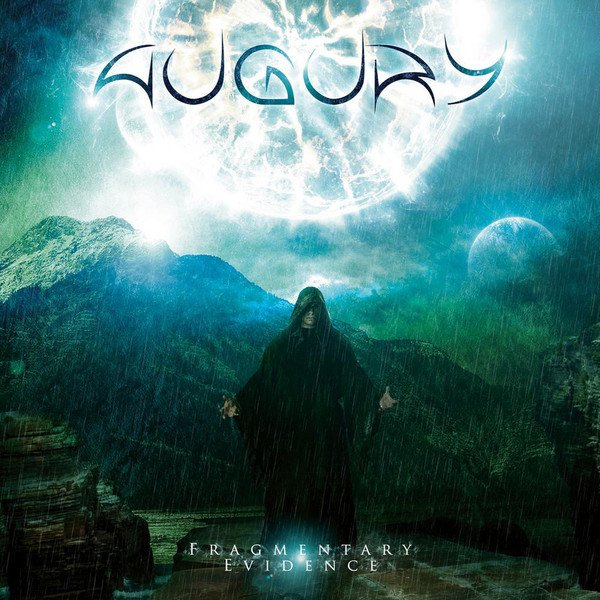
3. Augury – Fragmentary Evidence (2009)
Jasper: If the drumming of Sean Reinert and Morgan Ågren could be described as avant-garde or wild, the work of Étienne Gallo on this record contrasts that with his deliberate and thought-through rhythmic bombardments, all executed with the precision of an atomic clock. Especially the thick sounding cymbals and clanging bells (including Étienne’s signature artillery shell incorporated within his setup) help give this album a mechanical and heavy basis for all the technical guitar wizardry, alien-esque sounds and wildly-varied vocals to build upon. In particular the tracks ‘Jupiter To Ignite’, ‘Skyless’ and ‘Oversee the Rebirth’ display how beautifully this all comes together.
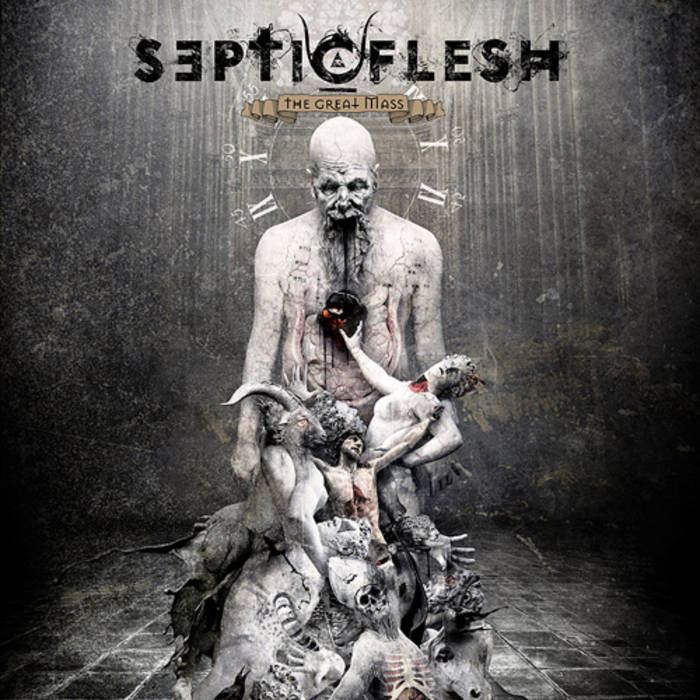
2. Septicflesh – The Great Mass (2011)
Bobby: I wasn’t a fan of Septic Flesh (they’ll never get me to call them Septicflesh) until Communion came out in 2008; Alejandro, who has been a fan for much longer, introduced me to them. These days they’re known for the orchestral elements, but what grabbed me was their use of really creepy melodies, often by way of Sotiris Vayenas’ lead guitar lines. I tried to emulate his sound by running a chorus with a really fast modulation frequency to get that weird “going in and out of tune” effect. It’s all over my lead parts on Nostrum, particularly the interlude on ‘The Gleaming Fracture’ or a bunch of places on ‘Sacrosanctum’. The latter was partially inspired by ‘Pyramid God’, which is not the creepiest song on The Great Mass by any means, but it reminded me that a memorable chorus melody is probably a good thing, so I gave it my best shot (although that best shot ended up as a pre-chorus, instead). We’d agreed early on that Nostrum needed to be a melding of horror and beauty, and Septic Flesh excel at both.
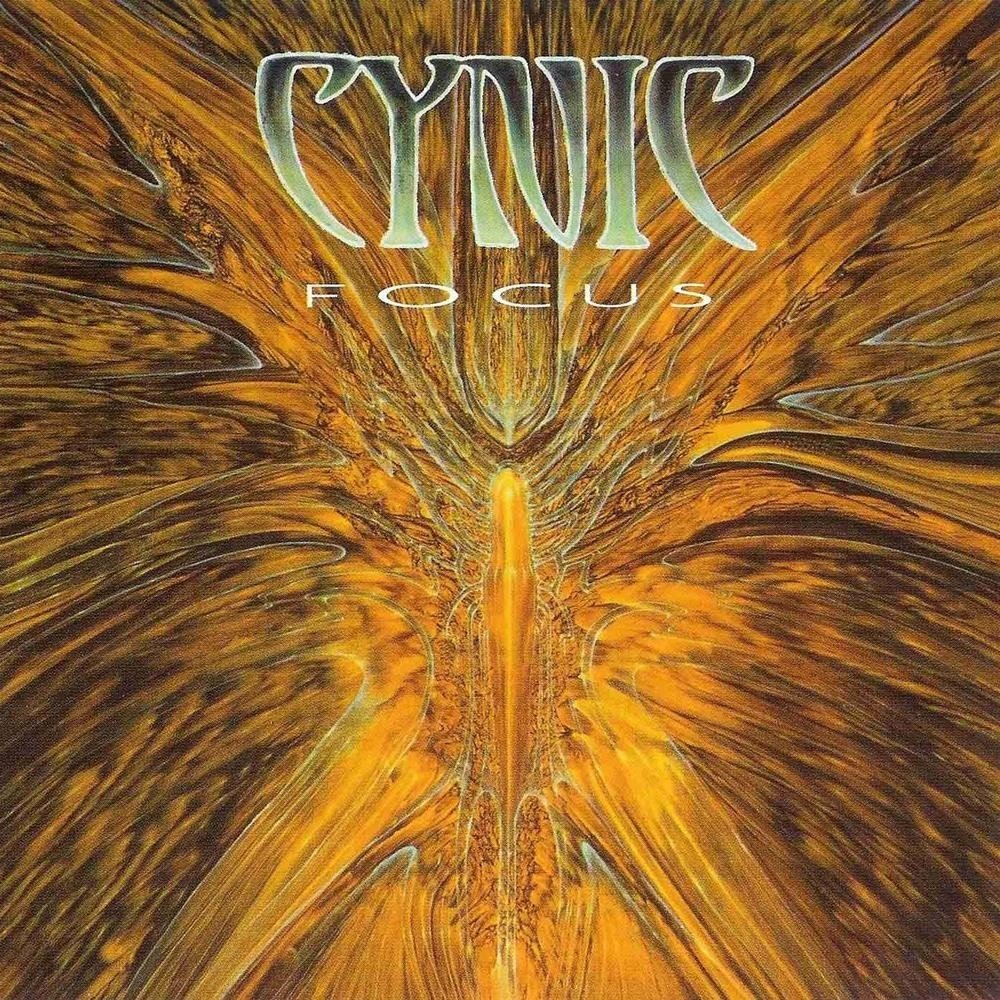
1. Cynic – Focus (1993)
Jasper: By far THE most influential record on me, both as a listener and musician. Sean Reinert was a one-of-a-kind, legendary artist and truly ahead-of-his-time thinker (RIP). This album is a cult-classic, with ‘The Eagle Nature’ being my favorite track and perfectly showcasing Sean’s feel, intricate cymbal and double kick work and his creative – often impromptu – phrasing.
Bobby: When I first heard Focus, I was pissed! I’d heard the demo of Uroboric Forms on a compilation, and I wanted a full album of that tech-death madness! What I got instead was…hell, I didn’t know what to call it. Luckily, the Masvidal guitar solo on ‘Veil of Maya’ was enough to get me to give it a couple more tries, and I got pretty obsessed with the album, especially their signature alternate-picked two-note-per-string riffing style, which often outlined what I later understood to be unorthodox, jazzy chords. That limitless spirit was always one of the guiding principles of Nostrum, although we agreed never to do the robot voice.
Alejandro: I had an instantaneous connection with Focus which only deepened, song after song, and year after year. The definition of what death metal was had changed forever. I had never heard anything this sophisticated, so it was literally life-altering as I began that search for unorthodox metal (which continues to this day). Our friends always heard a tinge of this influence in our earliest demos, which was cool. But it became more concrete over time because the other guys in the band have a deep love of it as well. I am so glad because it’s fundamental to my upbringing and to the genre, historically. This is the album that we all want to crank as we’re drinking beers together around the fire.
*** Dialogia self-released Nostrum on 2 October 2020. You can purchase and stream their debut album on Bandcamp here.
*** Read the original SBR review here.