
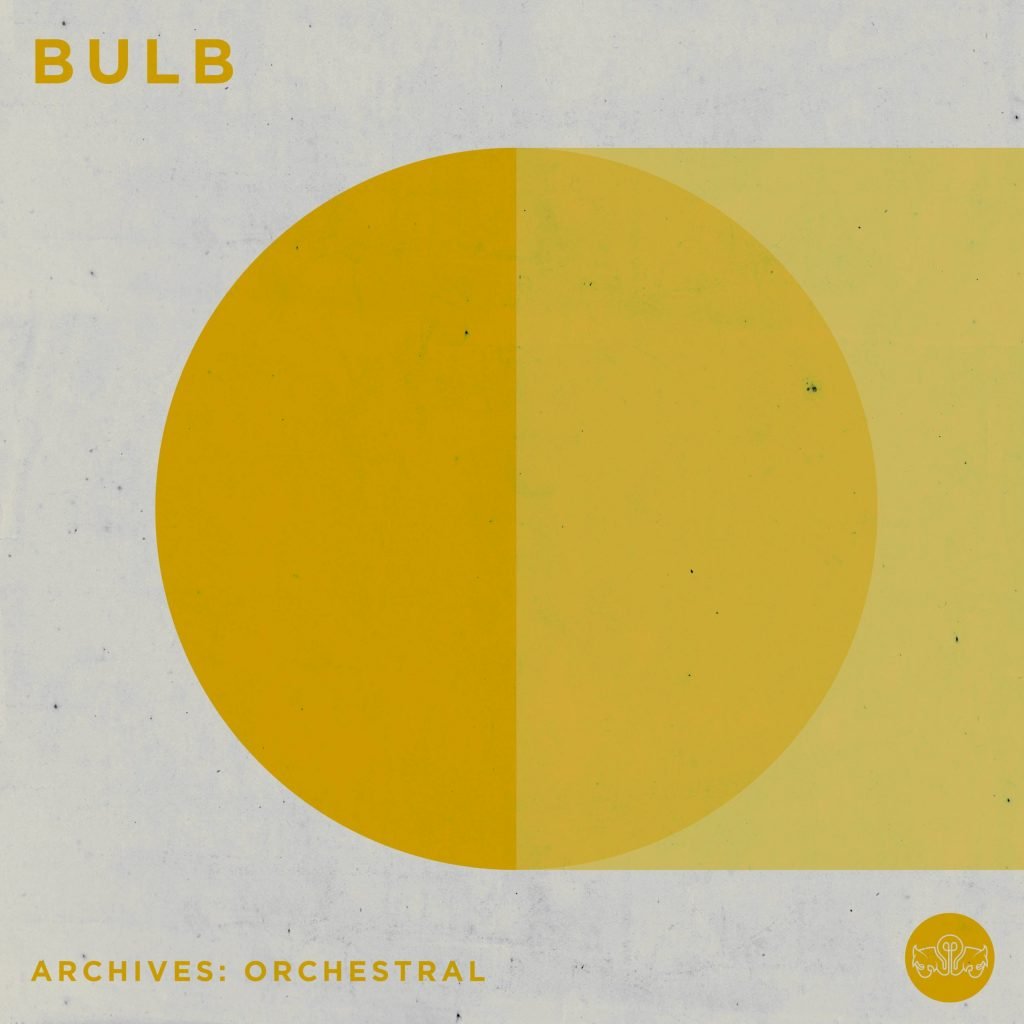
What a surprise we have here with the fifth instalment of the Bulb series of releases. At the half-way point of Misha Mansoor’s ten-album curation of his entire output before Periphery, we now get something outside his usual progressive metal stylings. Get ready for a change in scenery. This is exactly what it says in the title.
Admittedly, the metal mania and djent rhythms on the first four records were enjoyable despite a few minor reservations about the major-key metalcore that appeared in between the flashes of technical brilliance. Yet here we have no guitars or polyrhythms or bizarre shred lines competing with jazz drum patterns. Think Hollywood scores for blockbuster sci-fi films and late-night psychological thrillers starring Harrison Ford. Grip on to your imaginary baton and conduct the rhythm to the story of the life you always wanted.
‘Ark One’ is a flurry of Philip Glass scale runs on sampled violas, much like his underappreciated work on Mishima: A Life in Four Chapters. The deep pitch of the brass section is imperious in its reach. You ask yourself: how is it possible to write music like this using keyboards and software in your bedroom? ‘Battle Theme’ is self-explanatory in its illuminous stretch towards the stars and could be from the Avatar soundtrack. Most songs on here take film scores as their inspiration. Sometimes the mood turns inward and clings to the macabre. HBO ought to use ‘Cold Tour’ if they ever bring back Dexter. Those scenes where he wraps the bodies in cellophane with such precision, like an installation artist, now have the perfect music to justify the character’s cunning smiles.
The best feature of this record is the sheer illustrative quality of the music. Imagine you’re the hero in a film with a Basil Poledouris (Robocop, Starship Troopers) score to guide you. ‘Convergence’ is the unease in the opening shots of a political thriller about a great mind whom nobody believes when he says the world is facing an immediate climate catastrophe. We even have a song called ‘The Hero’s Theme’. This is a sensitive recital of violins that tell the protagonist he has value in this world but needs to hear it from others. Strings and tom drums create the epiphany in ‘The Last Day’, where the hero realises that he can control his destiny. (It’s always a woman that brings him to his senses!) ‘The Sequel’ is the closest thing we get to a dark ambient piece. Periphery fans will recognise the main melody from ‘Muramasa’ off Periphery II (2012).
The next record, Archives: Volume 4, is a return to the instrumental metal of the first four releases, which makes Orchestral the obvious standout album so far next to the masterful Volume 5. Listen to ‘Return to Triisgardea’ and see if it does not paint a golden meadow of butterflies with its expressive scale runs and bass trombones.
Once again, we ask: how is it possible to compose music to this standard using only synthetic instruments?
JVB
Verdict

Release Date: 07/08/2020
Record Label: 3Dot Recordings
Standout tracks: Ark One, Return to Triisgardea, The Sequel
Suggested Further Listening: Philip Glass – Mishima: A Life in Four Chapters (Soundtrack) (1985), Craig Armstrong – As If To Nothing (2002), Basil Poledouris – Starship Troopers (Soundtrack) (1997)