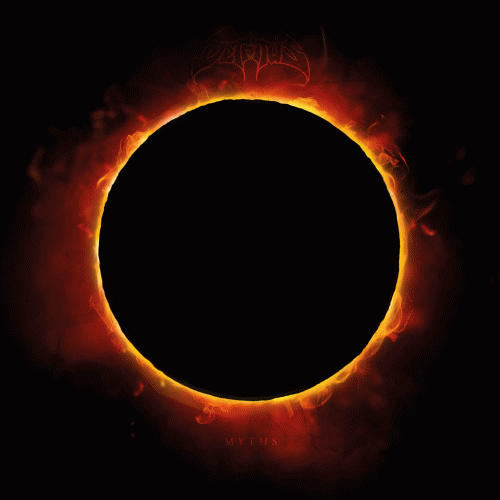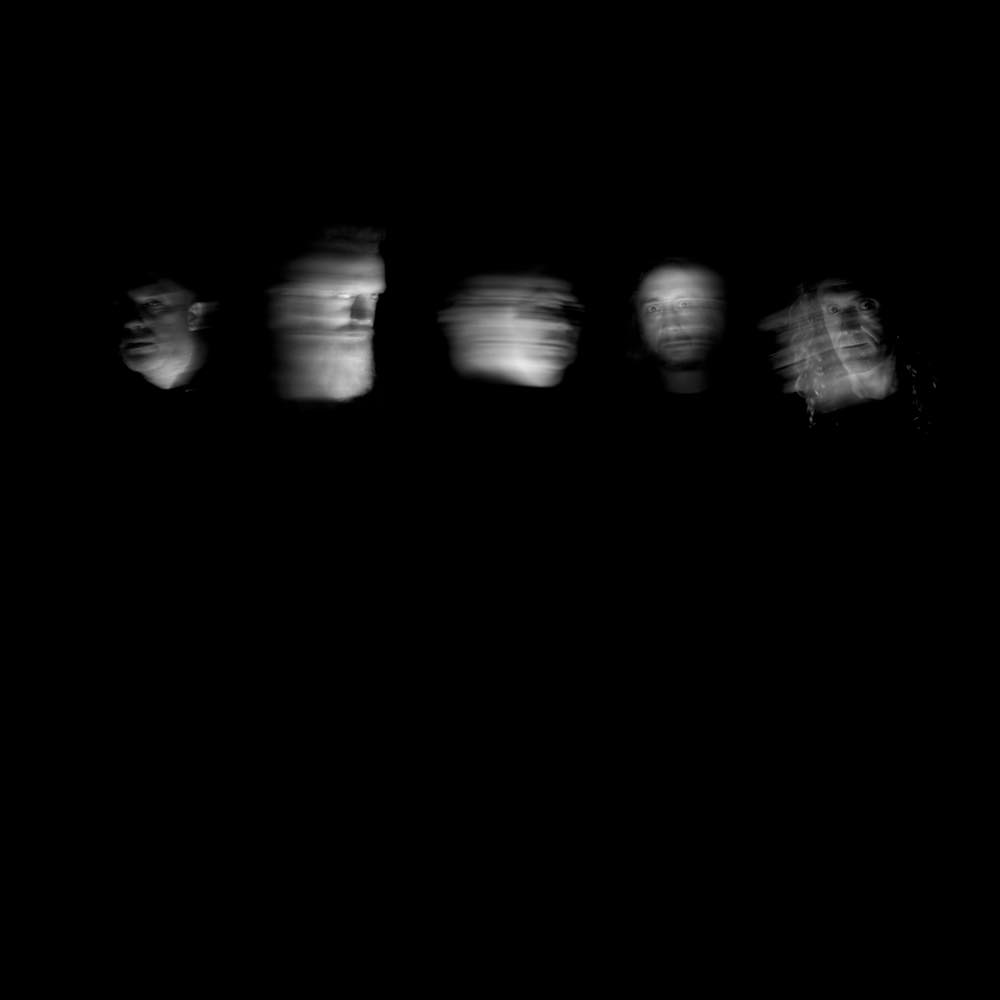
Bristol metal quintet, Detritus, are back with their first album in twenty-eight years, but you’d never guess judging by their expert craftsmanship and self-confidence. Following their split in 1993, it looked like the name Detritus would remain only on the lips of those who remembered the home-grown thrash metal scene of Xentrix, Acid Reign and Slammer. That is until Retroactive Records reissued the band’s albums in 2019 and generated a new interest in their music.
Now they’re back and more progressive than ever and happy to rekindle old friendships. Being in the same room once more is always a daunting task, but Detritus have little concern for their legacy, nor do they have reservations about accepting the ‘veteran’ label. All that matters is proving to themselves that they can still write music.
Listeners will nod their head in approval at the NWOBHM dynamics and Fates Warning/Dream Theater guitar heroics but will also feel their neck stiffen after a slab of solid metal chugging. Like Psychotic Waltz, the Bristolians create their own late-night world of musical existence where dreams and daily anxieties merge in a fantasy setting of parallel political realities.
We spoke to Andy Neal (guitarist) and Mark Broomhead (vocalist/bassist) about the band’s resurrection and their experiences writing and recording their latest album, Myths.
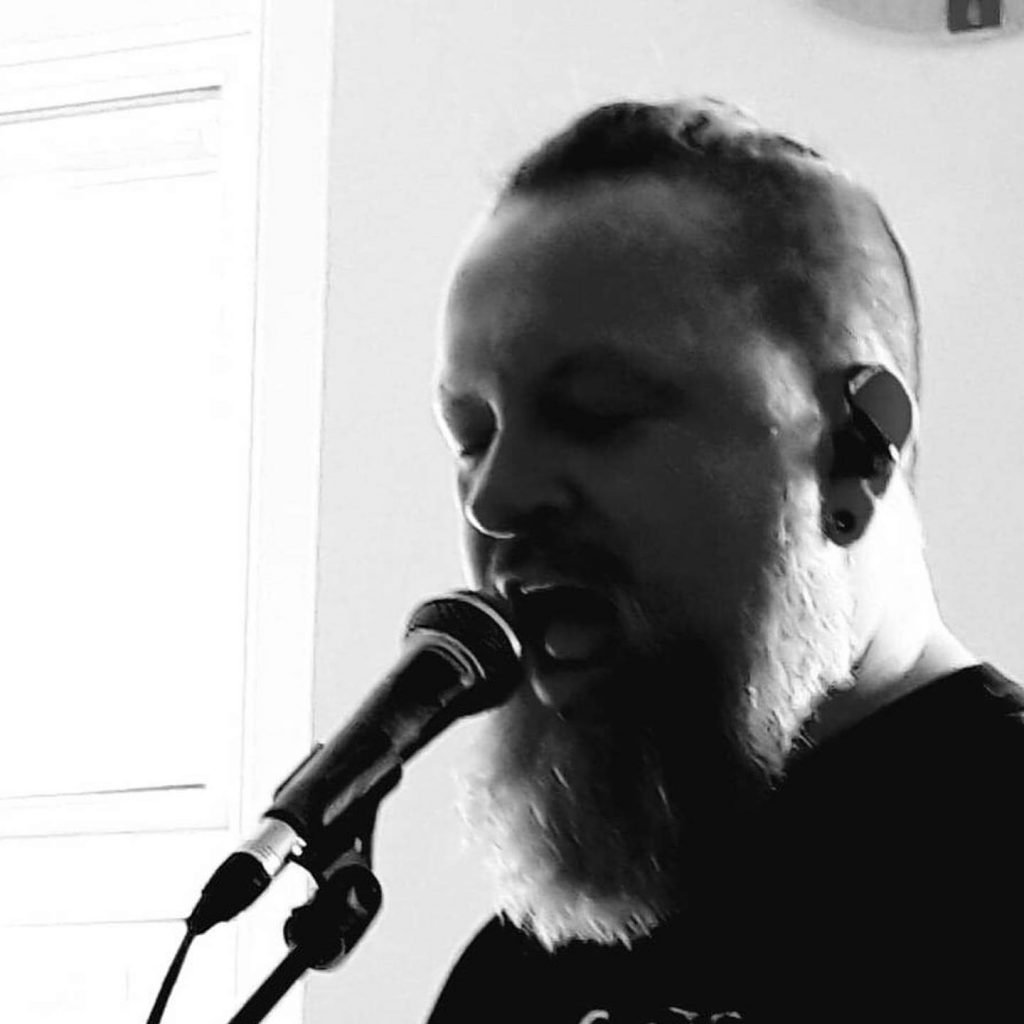
Let’s start with the obvious question. How difficult was it to rekindle the old magic for your first studio album since 1993’s If But For One record?
Andy Neal: It felt really natural to be honest. Mark was getting hassled by some European festival promoters to see if we’d consider playing and initially all we were going to do was just a few gigs for old-times’ sake. Mark, Andy B. [drummer] and I met just to catch-up in Bristol and played through four or five old ones just to see how we felt and surprised ourselves with a) remembering the material and b) really enjoying it. We quickly moved past just playing old material and the idea of writing new songs came up. I think it was the underlying friendships that made it work. We never really fell out back in the day, we just moved geographically and met less and less. Once Paul [Newington-Wise – guitars] was back on the scene, it just felt too good to not give things a go. We were basically back to the original four members from when we were teenagers!
People know Detritus as a progressive thrash band, but we detect the progressive metal of Fates Warning and Dream Theater in your current sound with a bit of King’s X in there as well. Which albums and artists influenced your latest record?
Mark Broomhead: I always find that hard to answer. The natural thing is just to list stuff off that you have been listening to lately, which may or may not have an actual influence on the writing process. There is our obvious metal heritage, but, for me, the biggest influence is working with other musicians who challenge and inform your writing. In this way the guys from Seventh Angel, Fire Fly and of course Detritus have had the biggest impact on my writing. Also, sometimes I might be watching a film or TV and the soundtrack might have a really cool chord progression or texture, and I’ll think, “I wonder if I could use something like that in a metal song?”. The other day I was sat in my lounge, where there are seven clocks on the wall. A couple of them were slightly out of sync and ticking loudly, and it created a really cool off-beat rhythm. I grabbed my bass and there is a good chance the resulting riff will be on the next album.
Andy Neal: I’ve actively stepped away from feeling the need to sit under any kind of category. Yes, we are ‘metal’ (as opposed to rock or dance or whatever) but beyond that, I don’t think we’re looking to be anything other than who we are as people and musicians. Our history and the early influences are still all there, but there’s over two decades of life experience, other music, families, jobs and so on that shape making music in a very different way to when we were eighteen or nineteen. The centre of gravity for us is actually more to do with building friendships, finding common ground and celebrating the good we see in the world (even if that starts with challenging the status quo). Influences for me are more to do with creative approaches, rather than specific bands. Collaborative bands like U2 or disruptive producers like Brian Eno have always influenced how I approach what I do – even if the music is wildly different. I love it that Mark can craft words in a way that I never could. Andy B. [drummer] will always remind me of the need to keep it light and fun and not take myself too seriously.
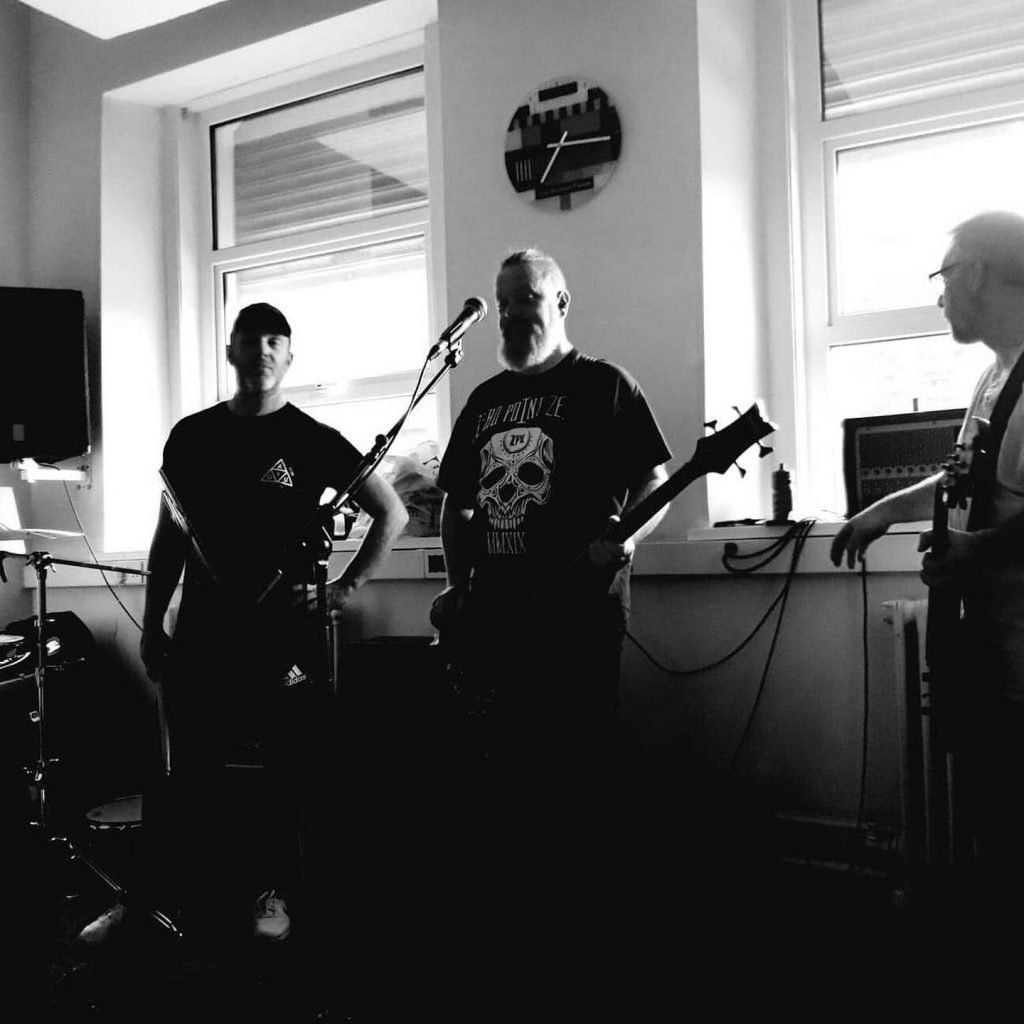
In 2019, Christian metal label, Retroactive Records, reissued your two previous albums, Perpetual Defiance (1990) and If But For One (1993). You received a positive response and decided to get back together. But why did you break up after releasing your second album in the early 1990s?
Andy Neal: I think we all have a different version of this story. For me, we never really broke-up, we just drifted apart. Grunge happened, which clearly put the dampers on an emerging UK thrash band. The call of day-jobs, relationships, and so on, were all running alongside what we were doing musically, and we gradually moved (geographically). Practices became less frequent, Mark started playing bass with Seventh Angel to help them out, which became permanent. I went to art school, Andy B. started a day job, and the rest is history. I think that’s what made getting back together so easy – there was no axe to grind!
You have three guitarists in the band and play prog metal, yet there’s a shortage of lead guitar shredding on Myths. Clearly, you guys mastered your instruments a long time ago, so why did you hold back on this aspect of your music?
Mark Broomhead: I think maybe now we focus more on the dynamic of the song rather than our egos and showing off. If there was a place that we thought it would be right for the song, someone would step up to the mark.
Andy Neal: That’s definitely a big change for me. As a younger guitarist, it was often about the speed, and I didn’t really get how a solo (when done really well) should complement the wider song. Much of the material on the new album carries a really strong groove rhythmically or vocally, and there was a danger that solos would get in the way. It’s a good example of how the collaboration works, only adding things that enhance the whole, rather than making an individual statement. There are a few on there – ‘Pharisee’, in particular, that always felt like it needed something to carry the story through the end sections, but, even then, it was still about the feel of the whole. I think there will still be solos on anything we write in the future and some (maybe) at traditional thrash speed, but only when the song asks for it!
What were your biggest fears about reforming after being away from the metal landscape for such a long time?
Mark Broomhead: That people would be angry that we hadn’t created a carbon copy of our earlier work.
Andy Neal: I think that’s what has been so refreshing this time around. It’s been hard work, but totally about us capturing where we are, for us, right now. If people like it for what it is (and I hope they do), that’s even better. We’ve managed to get a whole body of work together and really do it without anyone watching, so we could just make what felt right for us – with no real pressure.
Let’s talk about the song, ‘Bloodstained Glass’. This is the most experimental track on your latest album with an awesome drum machine groove and bass. What were you trying to achieve with this song, and what is it about?
Mark Broomhead: I spend a lot of time mucking about musically, not necessarily with Detritus in mind, just for my own entertainment and to learn new recording skills. I threw a lot of bits and ideas at the guys when we started writing, lots of which was totally unsuitable but fun anyway! Somehow this one slipped through. I think the attitude and the closest thing to an intention that is behind it was the fact that being a Bristol band in the early nineties, it was impossible to not be affected by the trip hop scene. Now I’m totally aware it bares very little resemblance to trip hop in the outcome, but I think I wanted to see what would come out if you wrote a metal song with the attitude and approach of a trip hop song. Successful or not as an experiment, a song resulted, and we like it. I have to find different starting points when writing, otherwise we end up churning out the same stuff over and over. It is about the darker and more disappointing side of religion, something held in common with any human institution. It’s about the sometimes godlessness of “faith”, but with the hope that there is more to find.
Xentrix, Onslaught and Acid Reign are all going strong again on the UK metal scene. How much did this inspire you to get back together?
Andy Neal: Honest answer is not much! No disrespect to the bands, I think we’re all amped that so many influential bands are still making new music – it’s so encouraging, but our inspiration came from the underlying friendships (which I’m guessing is probably also true for a number of the bands you mention). Making music is great on so many levels, and it never really leaves you.
There’s a real urgency to your new record, like you’re making up for last time. We couldn’t find the lyrics for the song, ‘Pharisee’, which is one of the most anthemic metal choruses we’ve heard in years. What are the lyrical themes of this song?
Andy Neal: Mark penned it, but I think he captured something that is really important to us all. We live in a world that often presents clear, dualistic, black and white, right and wrong views of life and it’s easy to see yourself on the winning side (let’s be honest, no-one is going to choose to be on the losing side, are they?). Without realising it, we can end up living out the very things we are trying to avoid and, for me, ‘Pharisee’ is a direct commentary on the way religion (and Christianity in particular) can move away from the ancient inclusive truths it is rooted in and replace these with a narrow set of values you have to live up to, which undermines the point of the original truths. They are for us all! The song adopts an accusatory tone – which is deliberate and likely to get some people’s backs up, but I love the last section, ‘Pharisee, have I become a pharisee? Pharisee, yeah, point the finger back at me’. We’re all guilty of the hypocrisy, and that’s the point. It’s like a mirror and works brilliantly.
What was more important when you started rehearsing again and you realised you had enough quality songs for a comeback album – finding a management team, acquiring a booking agent or getting a record deal?
Andy Neal: Making sure the songs carried their own weight was definitely top of the list. We didn’t really plan to make an album initially – we just wanted to write new music. Once we knew something was emerging, we knew there were certain things we could do ourselves (the label was already there and we just had to revive it – Mark and Paul did a lot of work to make that happen). We have the recording covered internally and knew Greg (Chandler at Priory Recording Studios) was keen to help. The PR and marketing, however, was clearly a whole new ball game, and that was where working with a few key people just to get our name back out there made so much sense. The Retroactive contact in the US helped connect with an existing market, but we were really keen to break new ground. Once we get past Covid-19, we’re hoping the bookings will come naturally (especially given they were there before we even got back together!).
You’ve been away from the metal scene for over twenty-five years. Which clichés have you observed in the intervening time that you were determined to avoid?
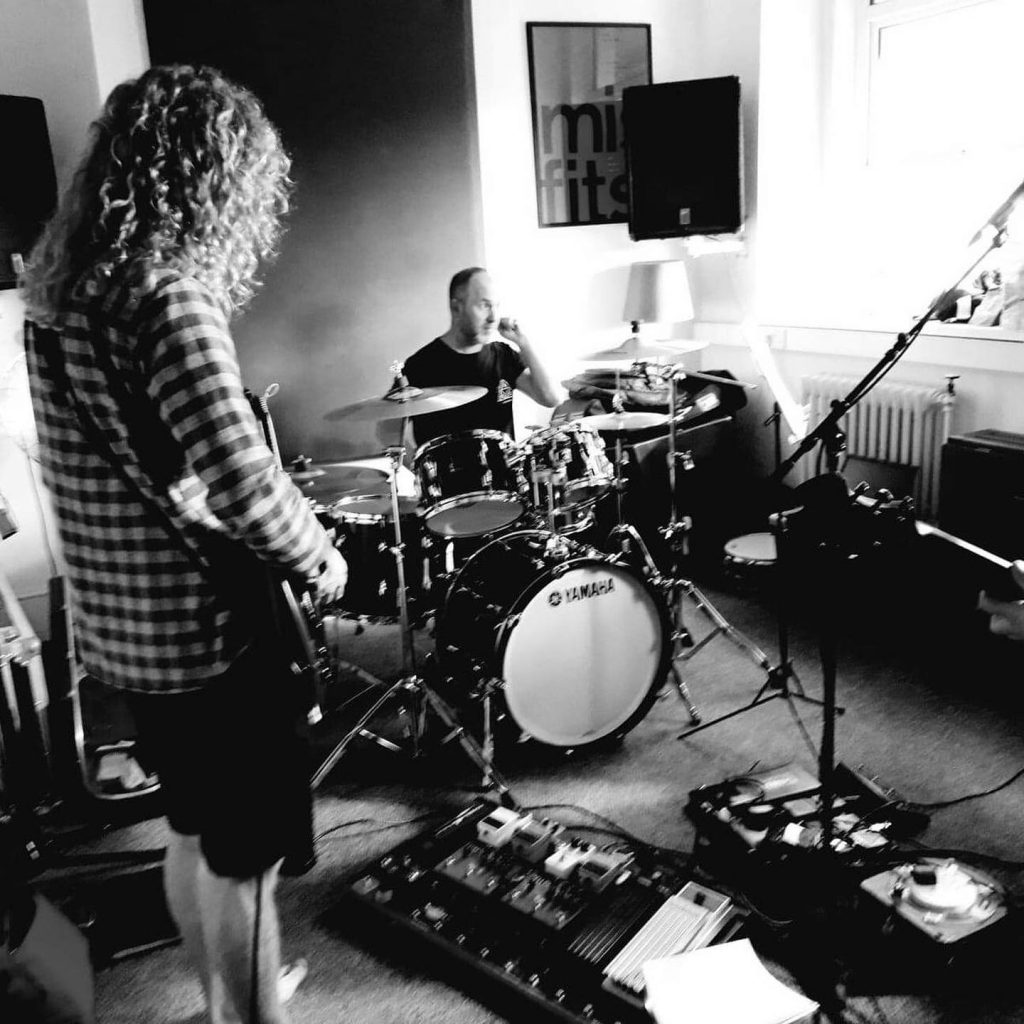
Andy Neal: Becoming a carbon copy of our former selves. Playing to other people’s expectations of what we should sound like or say. Fitting into a category. I’d love to say avoid moody black and white photos of the band, but I think we’re failing there already! Some things will never change…
Mark Broomhead: I don’t think we even thought about it really, as long as we are being true to ourselves – if that falls within a cliché, so be it. We are just a bunch of old mates having fun. If other people like it too, all good. Gigs might be a bit disappointing, though, if nobody does.
*** Detritus released their latest album, Myths, on 19 February 2021 via Embryo Industries. You can read the original SBR review here. ***